
Commercial vs. Residential Real Estate Photography in NYC: What's the Difference?
A listing for a NYC apartment and a 4,000sqft office lease are not the same, and they should not be photographed the same way. Treating the listings the same is where many marketing packages fall short. Commercial real estate photography calls for a different frame than residential photography.
Commercial buyers are asking: “Could I run a successful business here?”. Whereas residential buyers are asking: “Can I see myself living here?”
For agents and developers juggling both asset types, understanding the distinction between the listing types changes what images you need, how staging should be used, and where those images are needed in order for your listing to perform well.
We’re diving into the unique qualities that come with commercial real estate photography. It prioritizes function, scale, and credibility for tenants and investors, while residential photography sells an emotional connection to a future home. The two disciplines differ in staging approach, editing standards, and the platforms where the final images are used, which requires different photographing techniques.
What Makes Commercial Photography Unique?
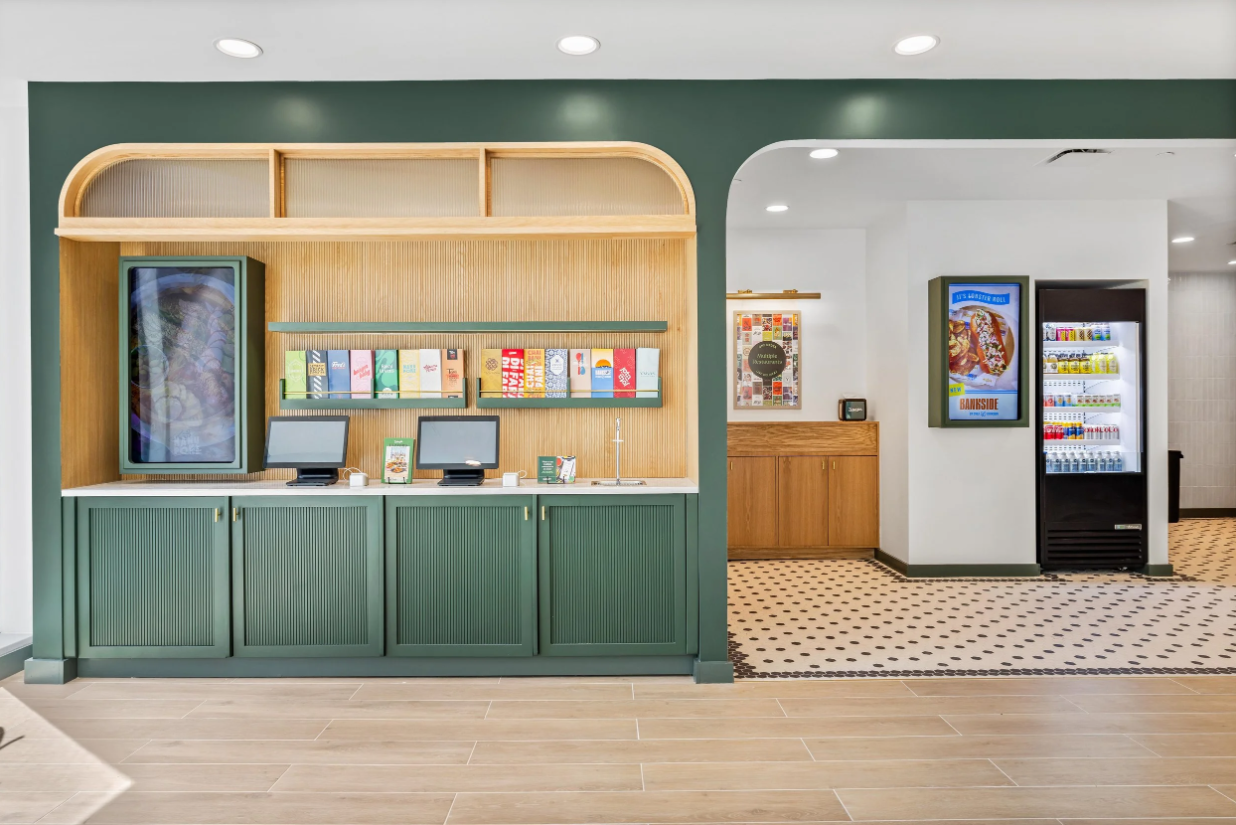
While a photographer may use the same equipment for residential and commercial real estate, the same briefing and strategic techniques are completely different. Images of residential properties are meant to build familiarity and emotion. Images of commercial property build a more complex rapport because businesses must take staff and customers into consideration when choosing a location.
Melanie Greene, GreeneHouse NYC's Founder and Principal Photographer, has spent more than 20 years photographing both residential and commercial properties across the city. She treats each as genuinely separate crafts rather than variations of the same photoshoot.
Feeling vs. Function
Residential photography is emotional by design. A well-lit kitchen or a sun-filled living room is meant to spark a buyer's imagination:
Cooking Thanksgiving dinner in the kitchen
Hosting friends on the balcony
Waking up to the city view
Commercial photography is more strategic by design. An empty office or retail space needs to answer functional questions fast:
Where would a team sit?
What street visibility is available?
Is there a public restroom?
Institutional buyers and prospective tenants aren't necessarily shopping for a feeling. Most of the time, they're evaluating a floor plan, a location, and a use case. The photography provides the necessary clarity to help them do that math quickly.
Commercial vs. Residential Breakdown
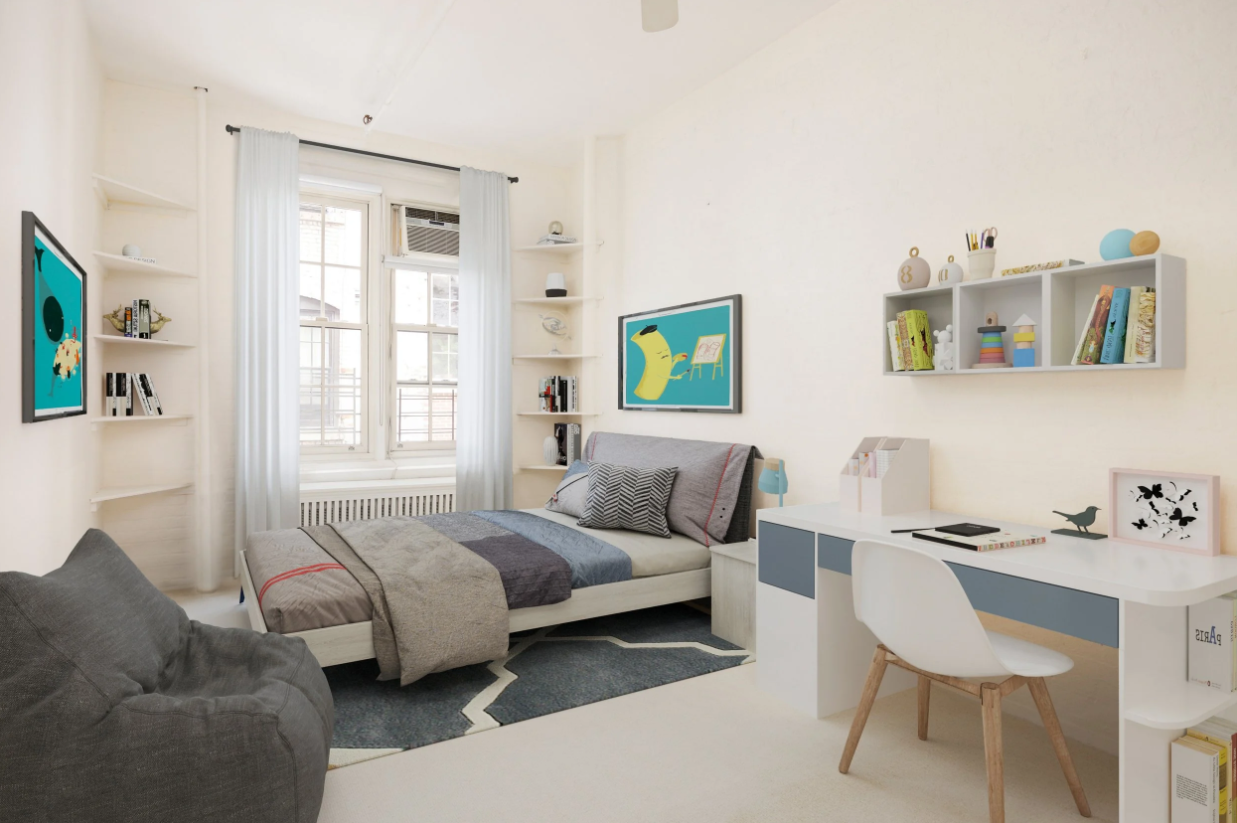
Virtual Staging
Residential virtual staging is about warmth. The furniture, textiles, and lighting choices help a buyer picture living in the home.
Rather than decorating a space, commercial virtual staging clarifies how the space functions. Seating layouts, and booths provide a sense of capacity and layout to prospective tenants.
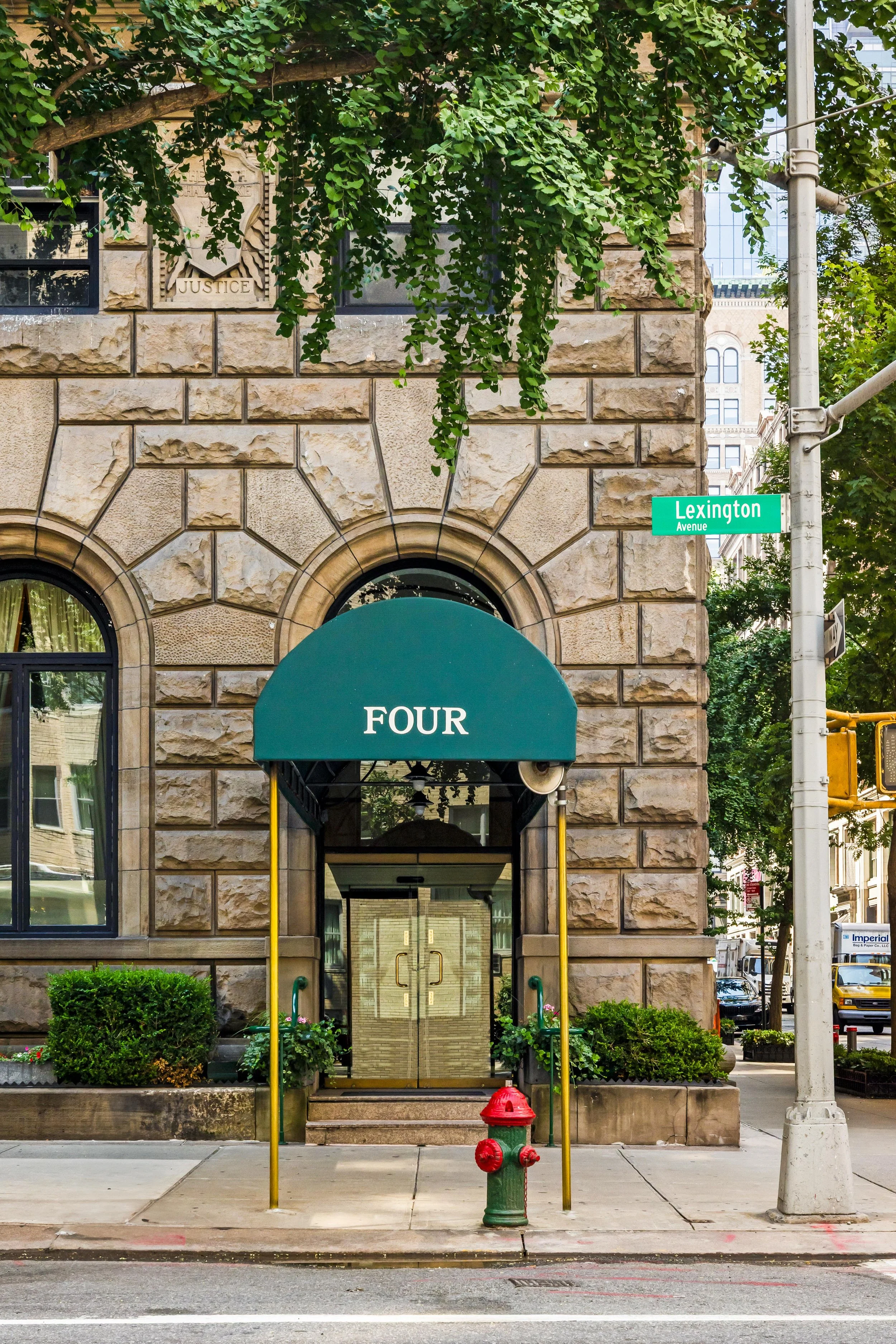
Vacant Photography
An un-staged residential home is not necessary, but still good to have. It shows buyers that the home is move-in ready, and essentially a blank canvas. A buyer has the opportunity to imagine themselves moving into the space.
A vacant commercial space asks more of the buyer. Without visual cues, a large open office or raw retail shell is harder to interpret scale at a glance. Thoughtful vacant photography angles and framing here should be paired alongside staged photos for reference.
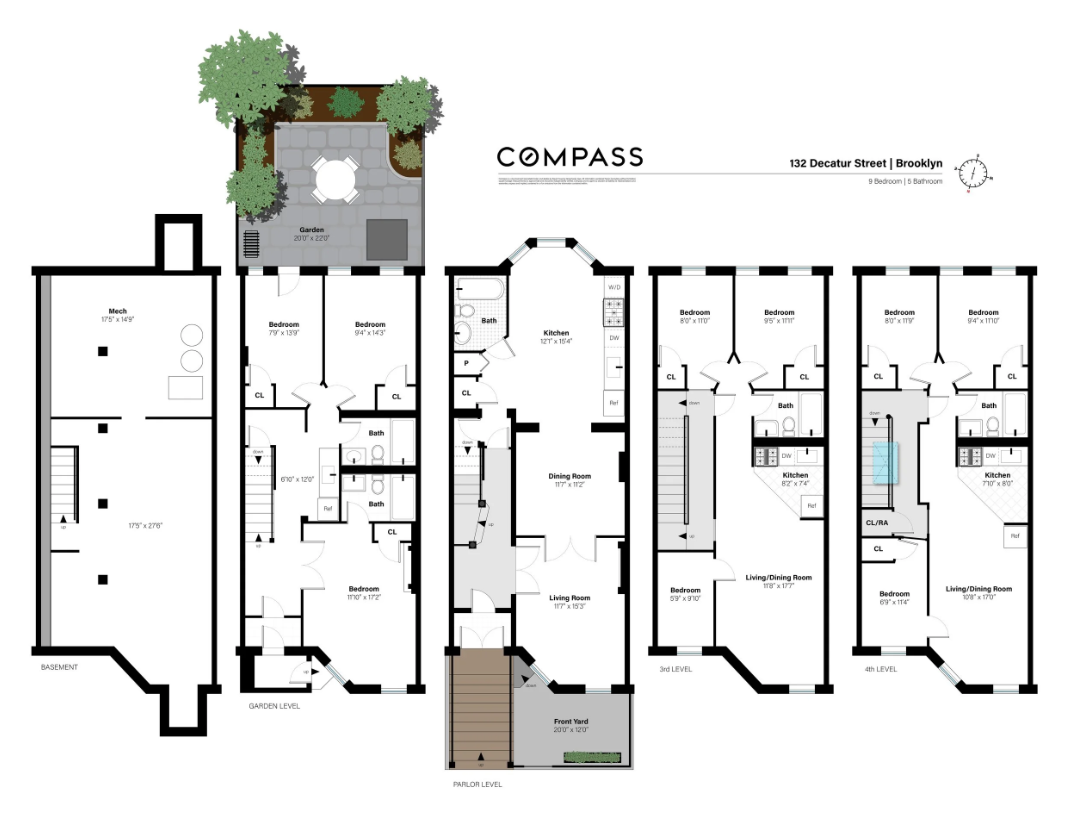
Floor Plans
Residential floor plans give buyers a cut and dry look at the layout. Any guesses from photos are removed by seeing how rooms and entryways connect.
Commercial floor plans are essential. They need to communicate exact square footage, layout efficiency, and buildout potential clearly enough for an investor or tenant's team to evaluate a space before ever stepping inside. This distinction clarifies exactly what space they can access versus what neighboring tenants use.
The Difference Between Listing Platforms
An often over-looked photography feature is the fact that format matters. Platforms like MLS and StreetEasy have photo size and format requirements. It is important to edit the photos appropriately to ensure they have the best quality while abiding by the specific formatting conventions of these apps.
Commercial real estate platforms like LoopNet and CoStar often have listings for months or even years. The photos used here must stand the test of time and look accurate regardless of when the property sells.
The Editing Difference
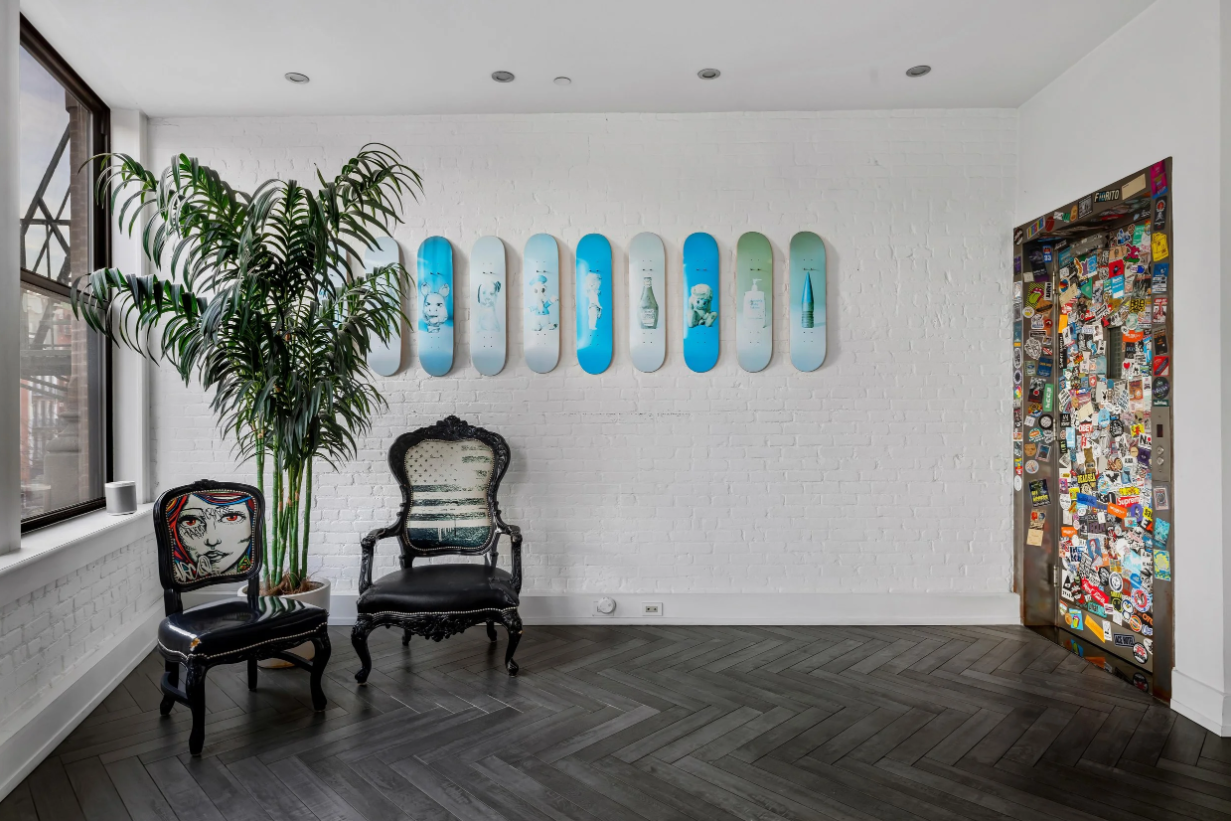
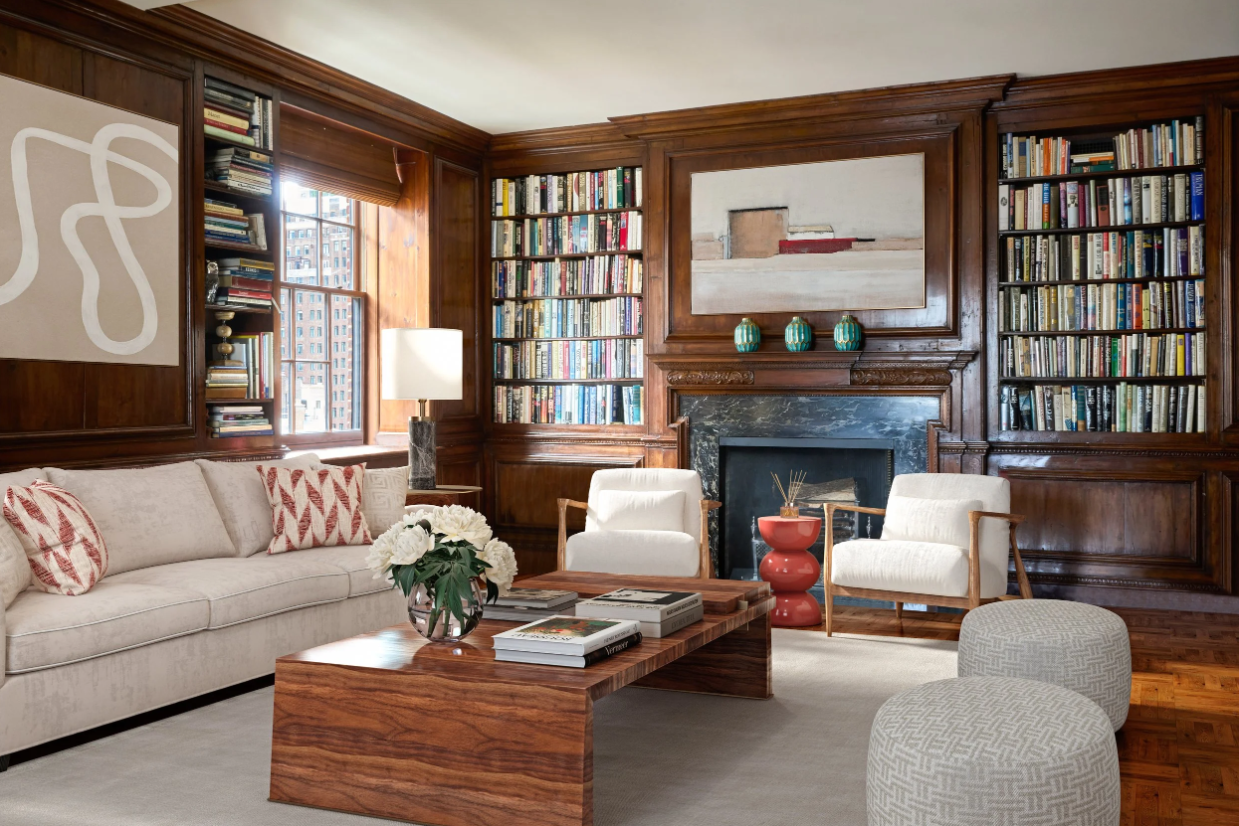
Commercial editing is built for scrutiny. Colors need to stay consistent across a large set of images, geometry needs to stay true to scale, and nothing should look exaggerated. Commercial images often represent a brand or a portfolio, not just one property, and the people evaluating them are trained to notice when something doesn't add up.
Residential editing has more room to lean warm and atmospheric, since its job is connection first and accuracy second.
Consistency matters more in commercial work because the images might appear across a leasing brochure, a broker's pitch deck, and a digital listing simultaneously. Every format needs the same space to look like the same space every time it's reused. Commercial buyers and investors rely on accurate, consistent, and credible photographed listings.
New York's Commercial Landscape
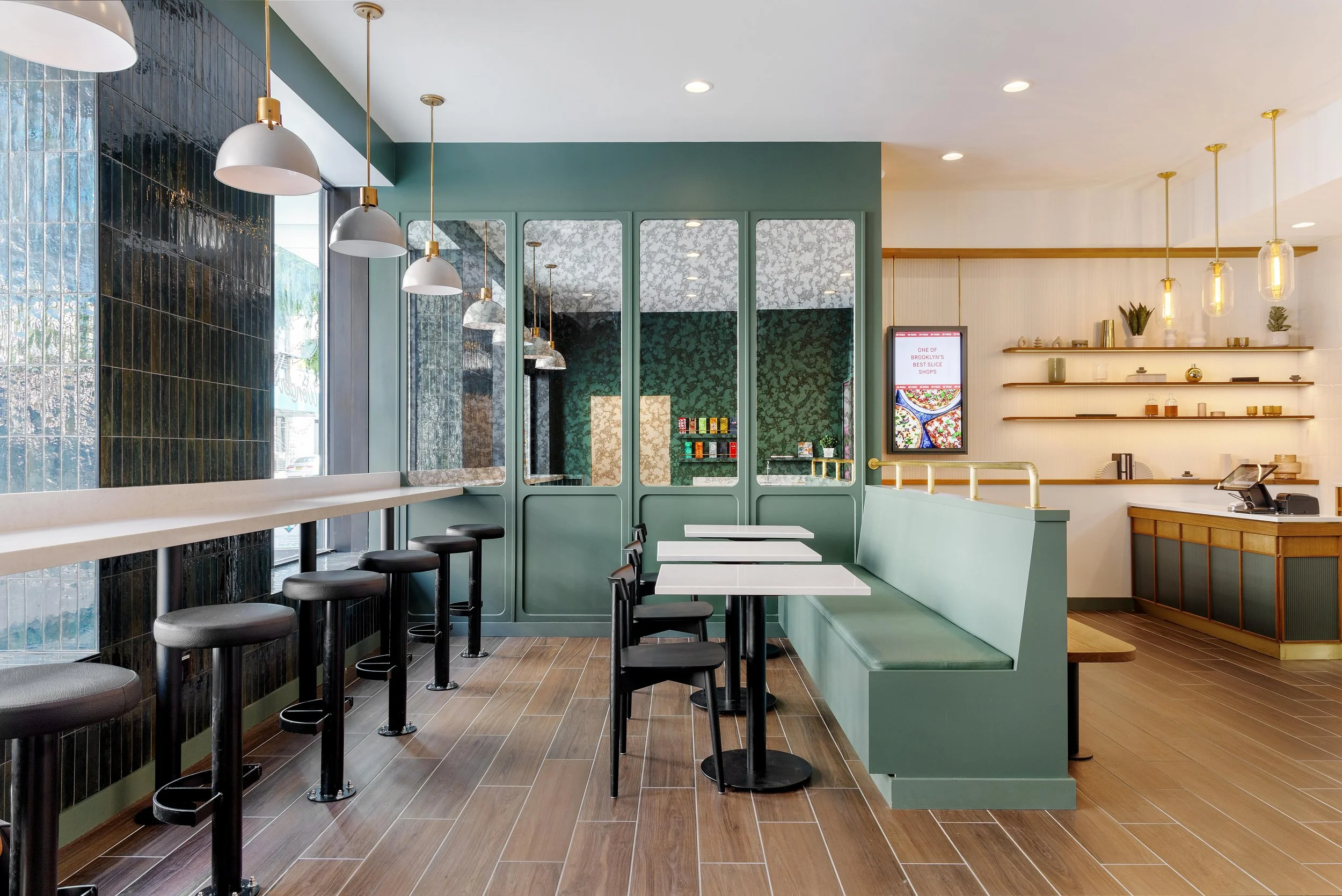
NYC adds its own layer of complexity to commercial work. A ground-floor retail space in a pre-war building often comes with street-level light challenges that a rooftop penthouse simply doesn’t have. A compact Manhattan office suite needs to communicate efficient use of every square foot in a market where space is at a premium. Mixed-use buildings blur the line further, asking a single shoot to serve both a retail tenant's marketing and a residential listing above it.
Photographing New York's commercial inventory means understanding differences per neighborhood and block by block. A single format cannot be applied citywide.
A Flatiron loft converted to office space photographs differently than a glass-walled tower floor in Midtown, and a Brooklyn industrial building marketed for flex use has almost nothing in common with a SoHo retail storefront. Each asset type carries its own light conditions, ceiling heights, and buildout considerations — and a studio that only shoots one type of NYC commercial property tends to default to a single visual formula regardless of what the space actually is.
One Studio, Every Listing Type
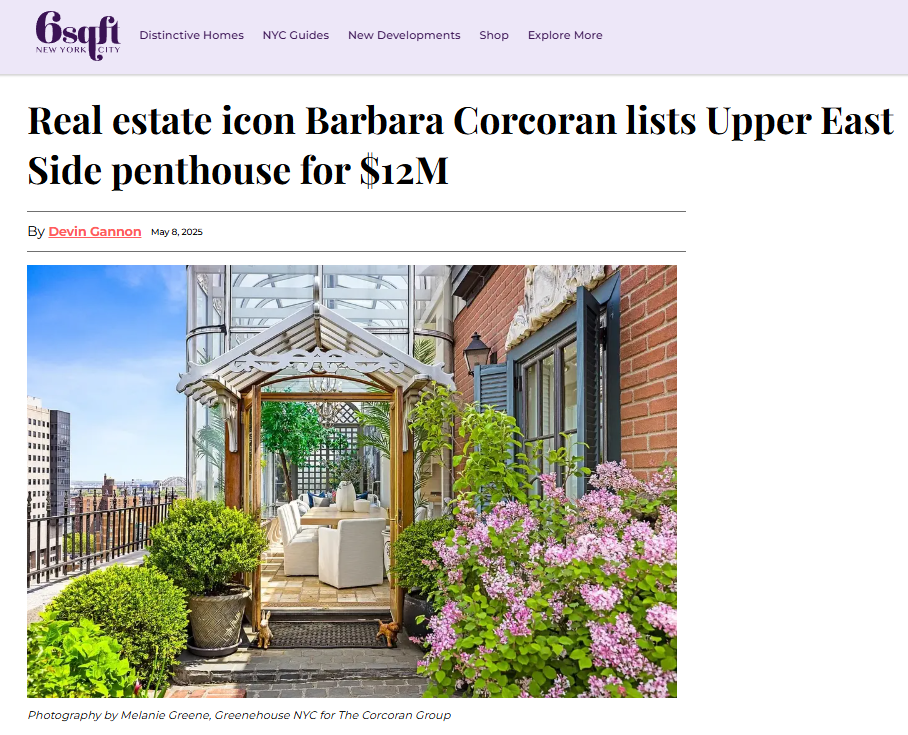
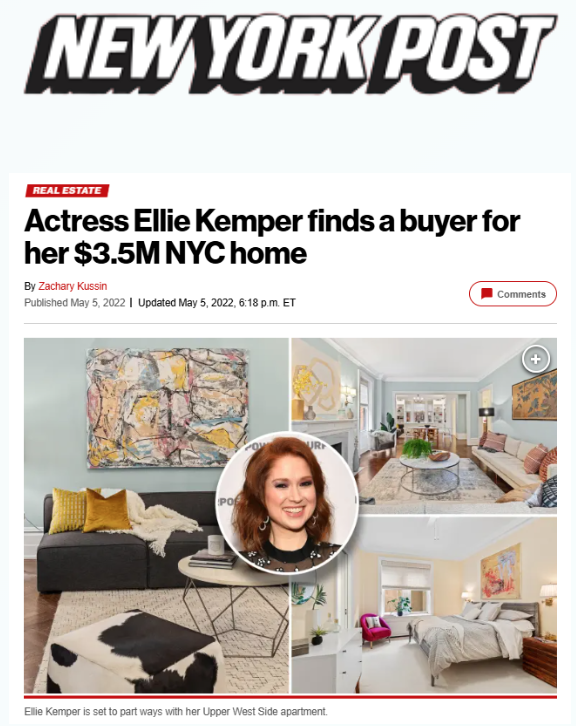
For listings that show up on publishers like the New York Times, Wall Street Journal, and more, you need elegant photography that sells it. Whether you’re selling an actor’s penthouse or leasing an iconic office building, find a studio that treats commercial and residential photography as the distinct disciplines they are.
GreeneHouse NYC has spent more than two decades photographing both across every borough, from full-floor office leases to pre-war co-ops, with custom photoshoot, floorplan, and virtual staging packages.
Start a project with GreeneHouse NYC and work with a studio that already speaks your listing's language, or explore commercial photography services to see our recent work.
Frequently Asked Questions
Is commercial real estate photography different from residential photography?
Yes. Commercial photography prioritizes function, scale, and credibility for tenants and investors, while residential photography is built to create an emotional connection to a future home. The approach to staging, editing, and composition differs accordingly.
Does virtual staging work differently for office or retail spaces?
Yes. Residential virtual staging emphasizes comfort and lifestyle appeal, while commercial virtual staging focuses on layout, capacity, and flow — helping a prospective tenant understand how a space functions rather than how it feels.
Where are commercial real estate photos typically used compared to residential?
Residential photos are typically built for MLS and StreetEasy-style listings with a single-listing lifecycle. Commercial photos are used across platforms like LoopNet and CoStar, plus offering memorandums and broker decks, often for far longer than one listing cycle.
Can one photographer shoot both commercial and residential listings well?
It's possible, but it requires treating them as separate disciplines rather than the same shoot with a different subject. GreeneHouse NYC has photographed both across NYC for more than 20 years, with a distinct approach for each.
Does GreeneHouse NYC offer both commercial and residential photography in NYC?
Yes. GreeneHouse NYC provides commercial and residential real estate photography, virtual staging, and floor plans across all NYC boroughs, led by Founder and Principal Photographer Melanie Greene.
Do you have a residential or commercial listing that needs strategic photos?
GreeneHouse NYC provides professional photography, virtual staging, and floor plan design for NYC real estate agents, brokers, and developers delivering complete listing packages for over 20 years. Contact us today.