
Why NYC Listing Packages Need a Floor Plan
What makes a listing complete? Before even booking a tour, NYC buyers often make decisions while browsing photos online. As a real estate agent, you may have invested in professional vacant photography and even added physical or virtual staging to show what it would be like to live in the space. But the answer to our question depends on how buyers make decisions from the first impressions of a listing.
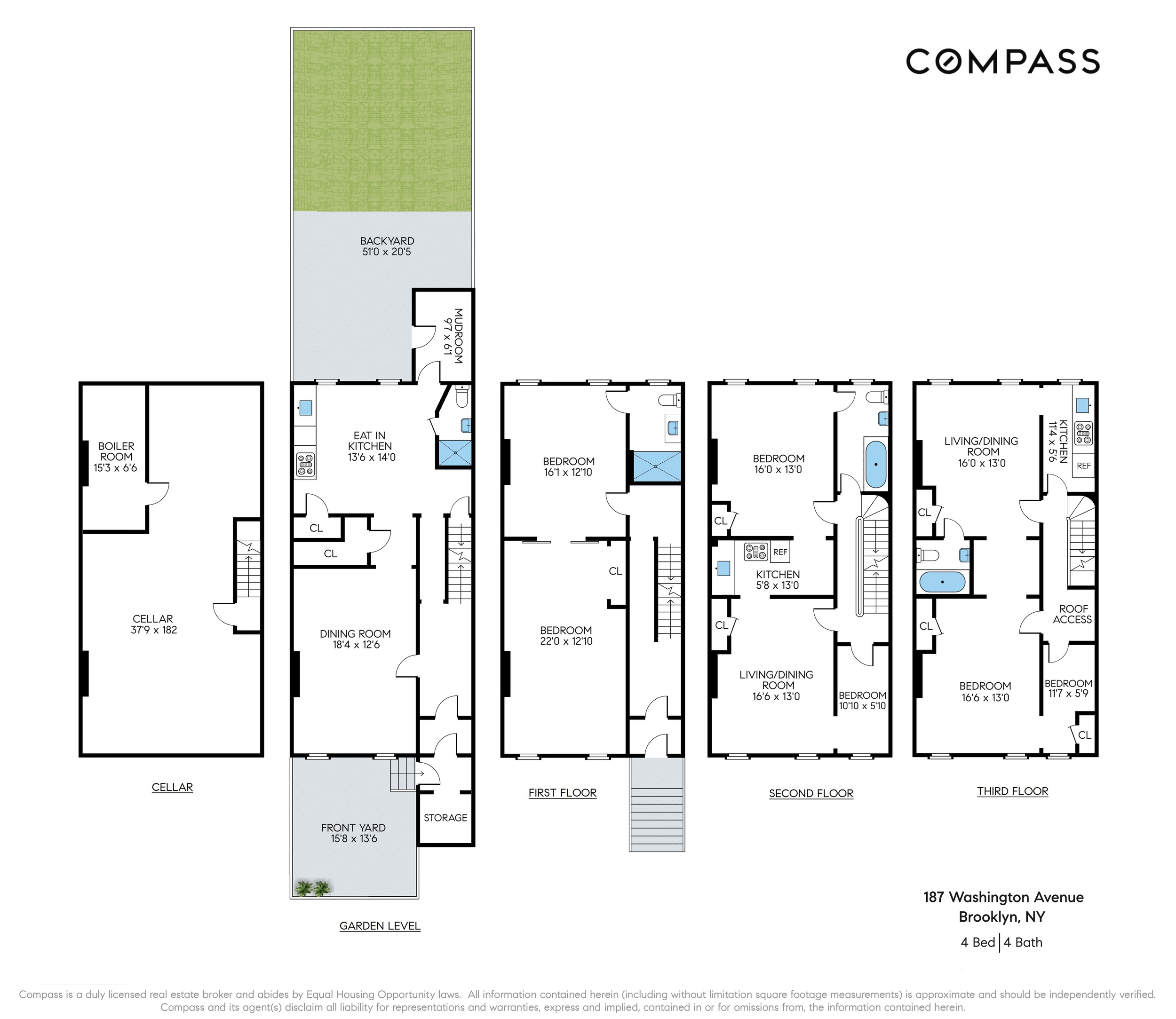
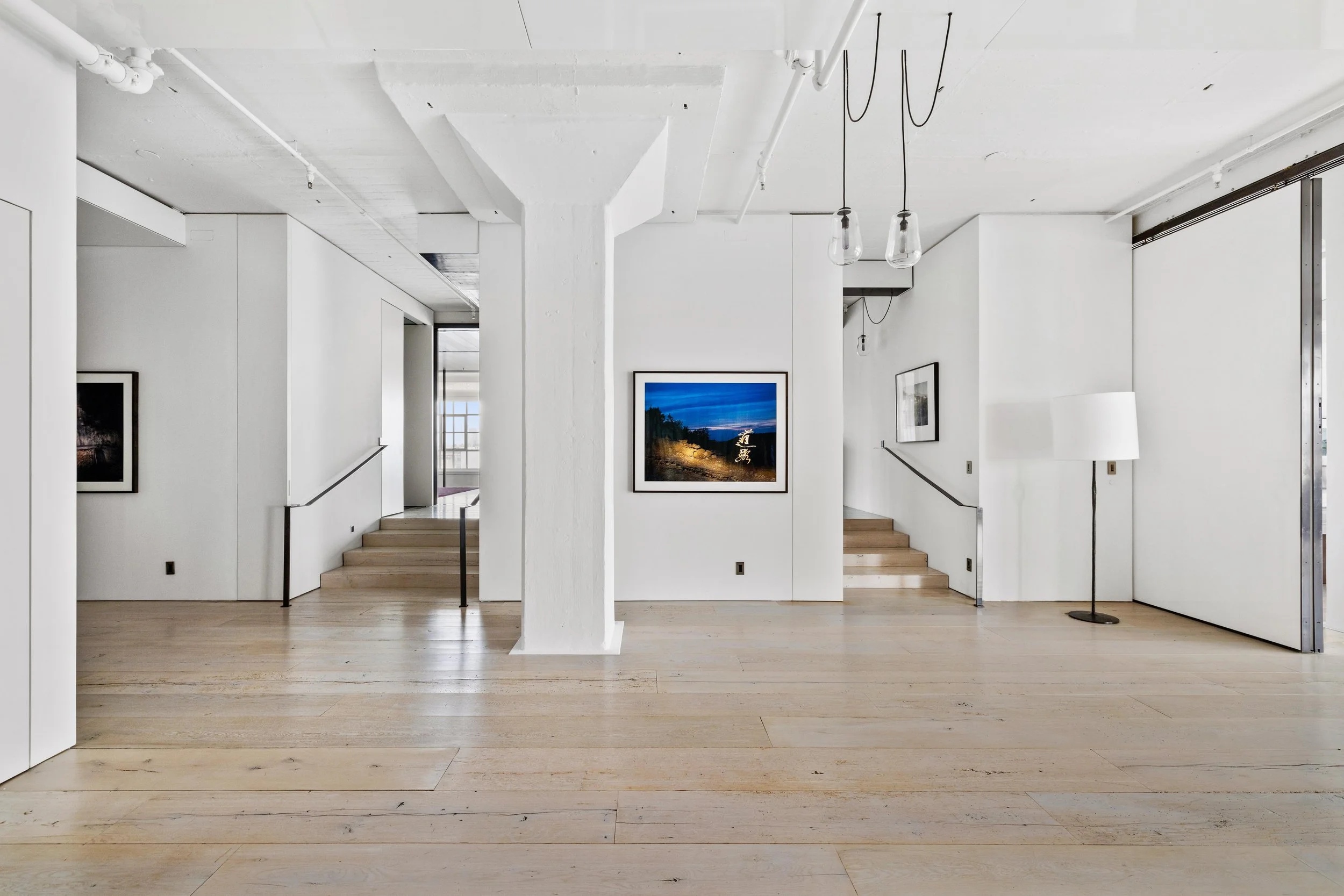
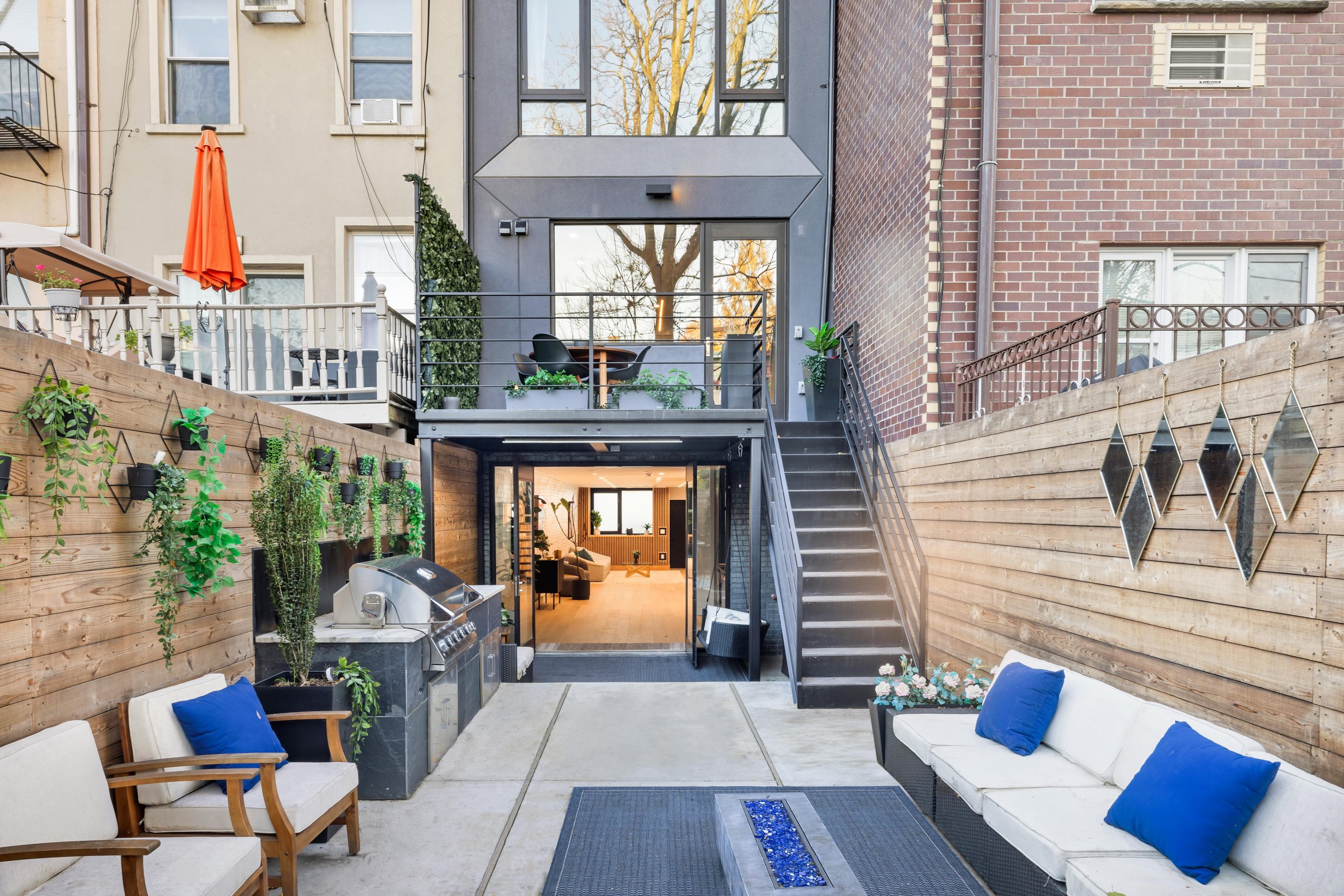
Floor plans for real estate photography in NYC have become a standard part of how serious agents complete listings. Photos of the empty room show buyers a blank canvas. Virtual staging shows them the potential of the space. A floor plan captures the layout of where rooms are and how they’re connected. When these three photography methods are used together, it gives buyers an instant glimpse into what their life would look like in that home.
In this blog, we’re diving into buyer psychology and unveiling what keeps buyers on your listing long enough to build a connection that makes them book a viewing. We’ll explain why each one matters in New York City's market specifically, and what a floor plan adds that no amount of beautiful imagery can replace.
Vacant Photography, Virtual Staging, and Floor Plans - What Each Adds Individually
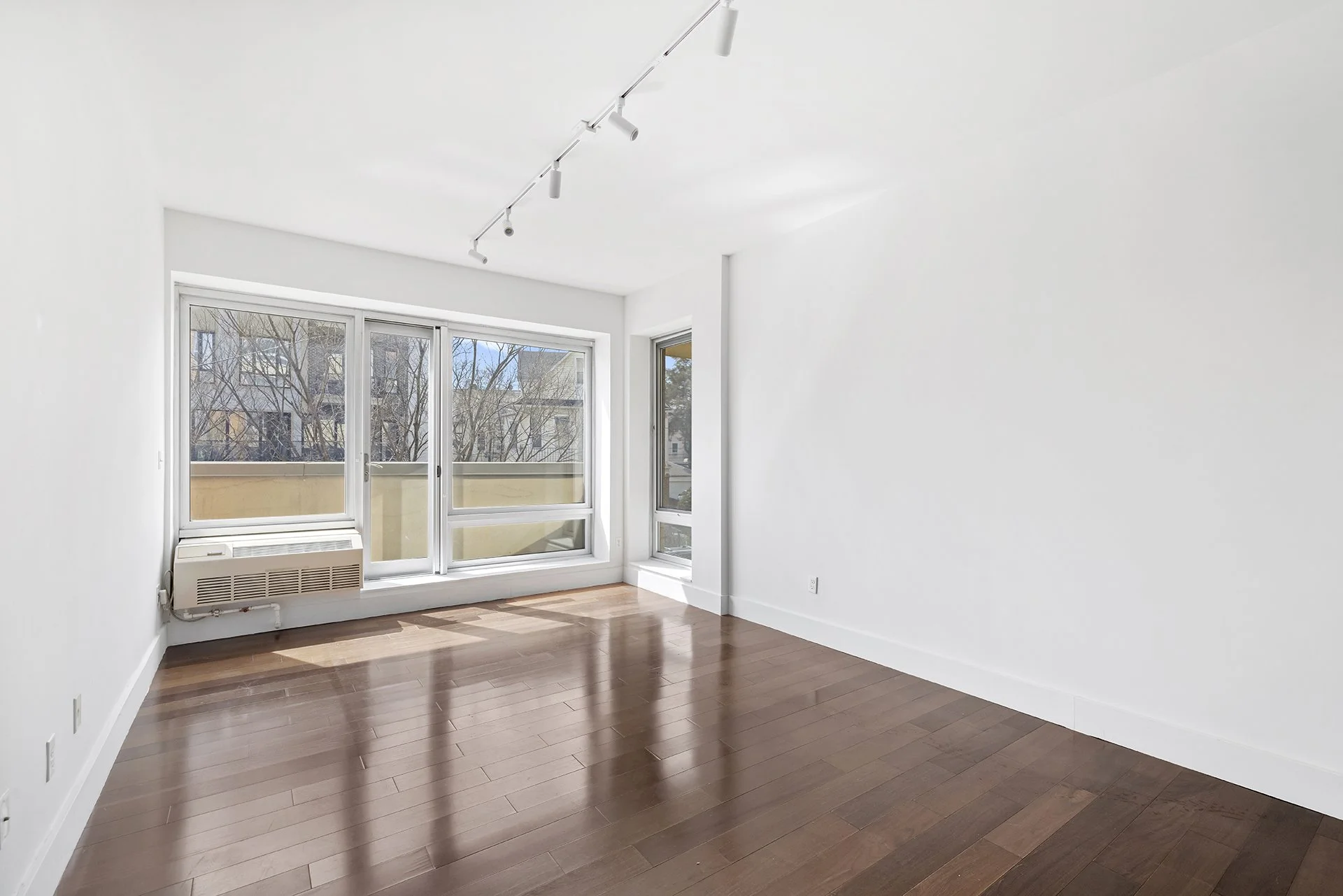
Each asset in a listing package solves a different problem. Vacant photography delivers the most accurate visual representation of a property's structure, capturing the space exactly as it is. What it can't do is help a buyer picture themselves living there. An empty room reads as cold, and scale becomes difficult to judge without something in the frame for reference.
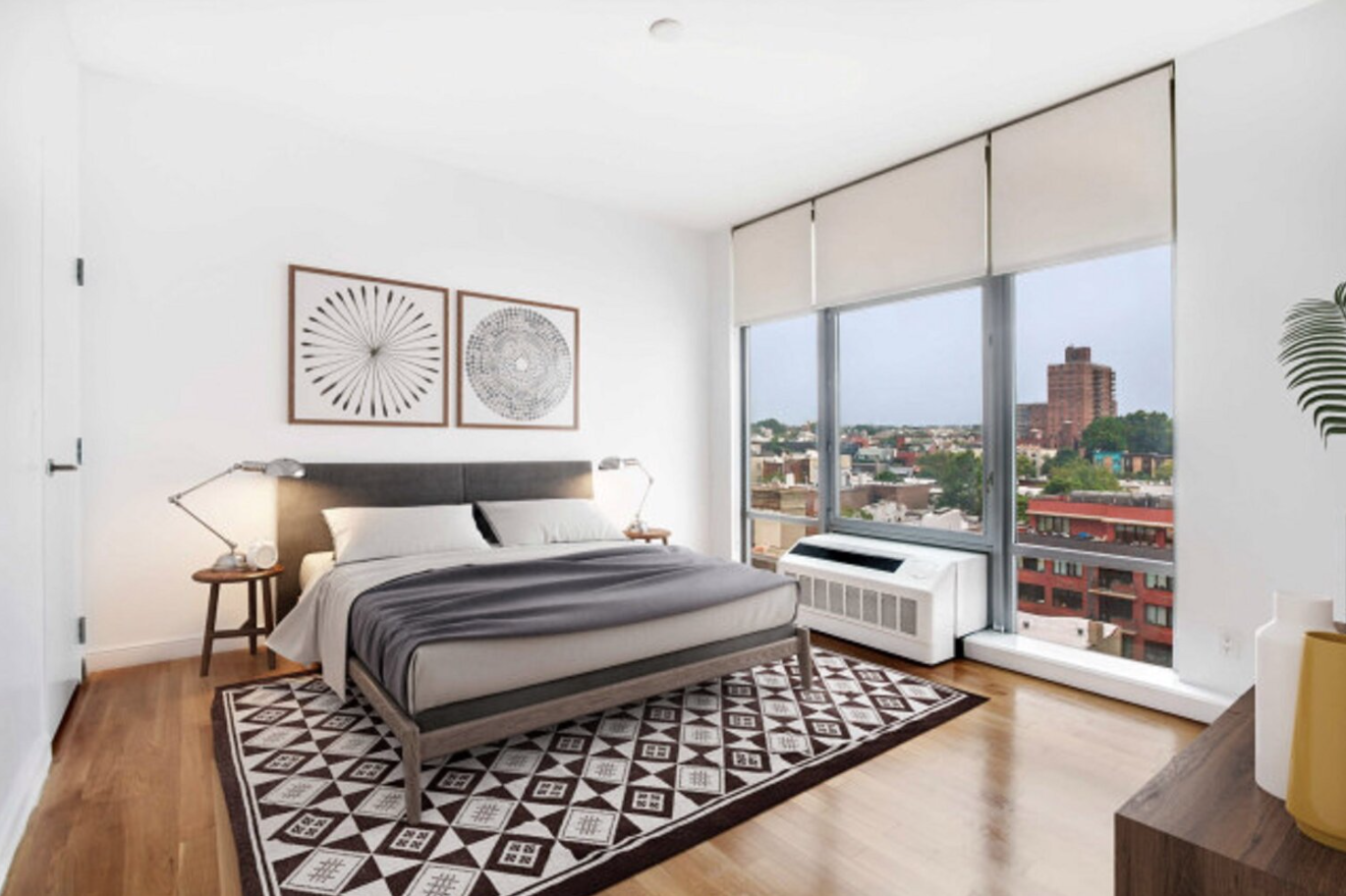
Virtual staging fills that gap. It shows buyers the potential of a space, furnished in a way that reflects how the room could actually function. But staging is only as credible as the accuracy behind it. Without a floor plan anchoring the furniture placement, staged photos risk looking aspirational rather than real, and buyers in NYC's market have grown skeptical of listings that overpromise.
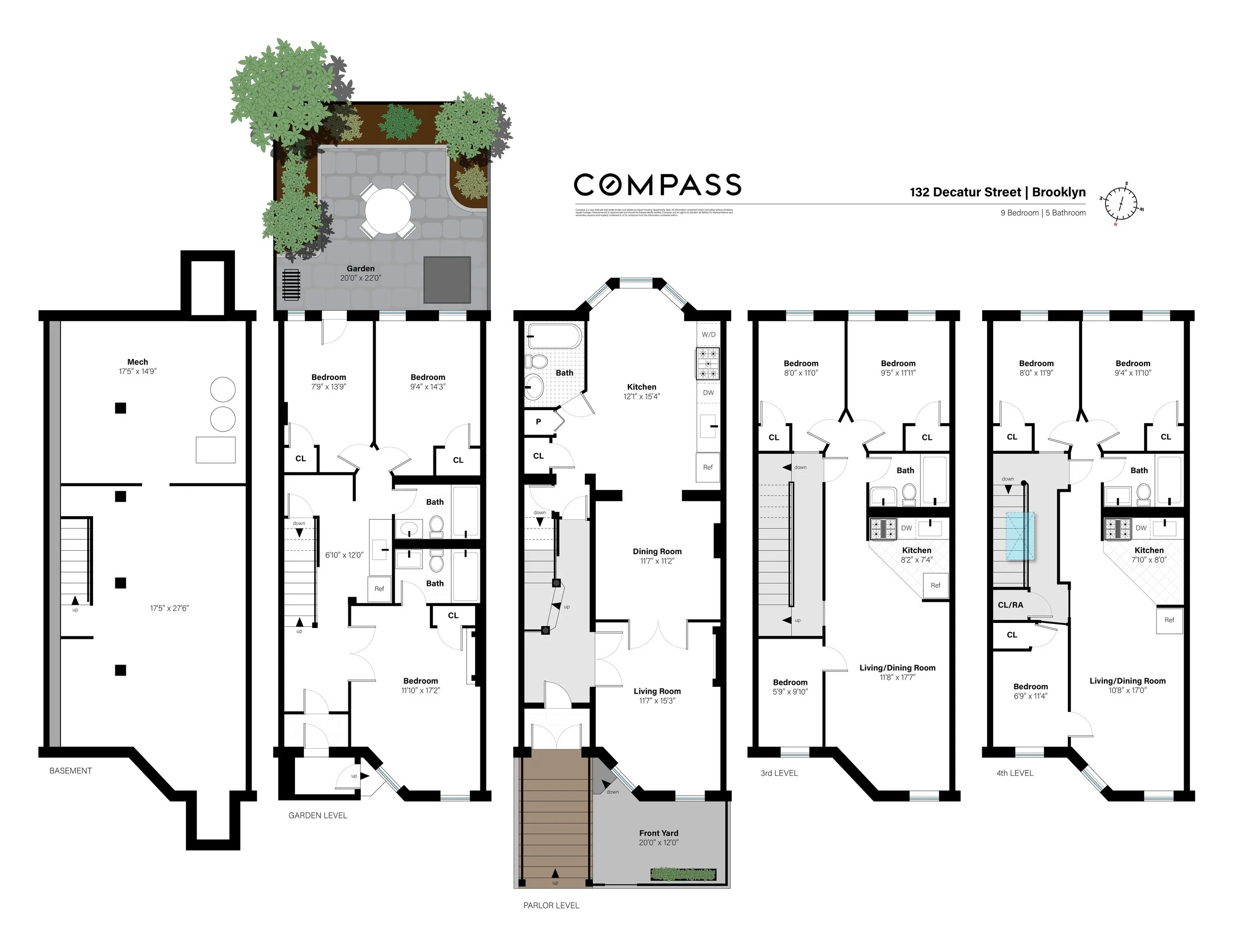
That's where the floor plan earns its place. It doesn't compete with photography or staging, it verifies them. A floor plan confirms the dimensions implied by the staged image and clarifies the layout that vacant photos can't fully communicate on their own. Used together, the three assets move a buyer from "this looks nice" to "this could work for me," which is the shift that actually drives a booked showing.
Buyer Psychology: What Buyers Are Actually Trying to Figure Out From Your Listing
Buyers browsing listings online aren't just judging whether a space looks appealing. They're trying to de-risk a decision before they ever commit the time to book a tour. Booking a tour in New York City, often racks up a real cost between train, taxi, Uber, etc. Buyers want enough confidence in a listing before they spend that time, energy, and money touring it. While browsing online, they’re asking practical questions: “Will my furniture fit?” “Does this layout work for how I live?” “Is this room as big as it looks in the photo?”
Photography and staging answer the emotional half of that equation. They generate interest and help a buyer imagine a life in the space. But interest alone doesn't move someone to act; reassurance with fact does. When the listing visuals don’t line up with the actual dimensions, buyers will listen to their voice of doubt. Most of the time they simply scroll past. Worse case scenario, they tour the unit and lose trust when the space doesn't match what the photos suggested.
An accurate floor plan addresses these doubts head on. It gives buyers the dimensional certainty that turns a passive scroll into an active decision to book. When buyers see everything laid out on the listing in front of them, they feel more confident in their first impressions of the unit. For agents, applying this is easy. Every listing component should either build emotional interest or remove practical doubt. The strongest packages do both, which is exactly why floor plans, staging, and photography perform best as a unified system.
The Unique Difficulties in the NYC Real Estate Market

In most markets, buyers can assume a certain logic to apartment layouts based on room photos. They may think, “The kitchen is likely adjacent to the dining area.” “The front entrance opens straight into the living room.”
But New York City doesn't work that way. Here, pre-war buildings have unique layouts and architectural quirks that made sense in 1920 but require explanation in 2026. In some apartments, landlords have strategically utilized every inch of the small square footage available to maximize the number of rooms in a building.
Photography alone cannot clarify these uncertainties for buyers. That's where a floor plan comes in. For buyers who aren't familiar with a particular building type or viewing units exclusively online, a floor plan removes the ambiguity that would otherwise stall their decision.
What Does a Floor Plan Actually Add to a Listing Package?
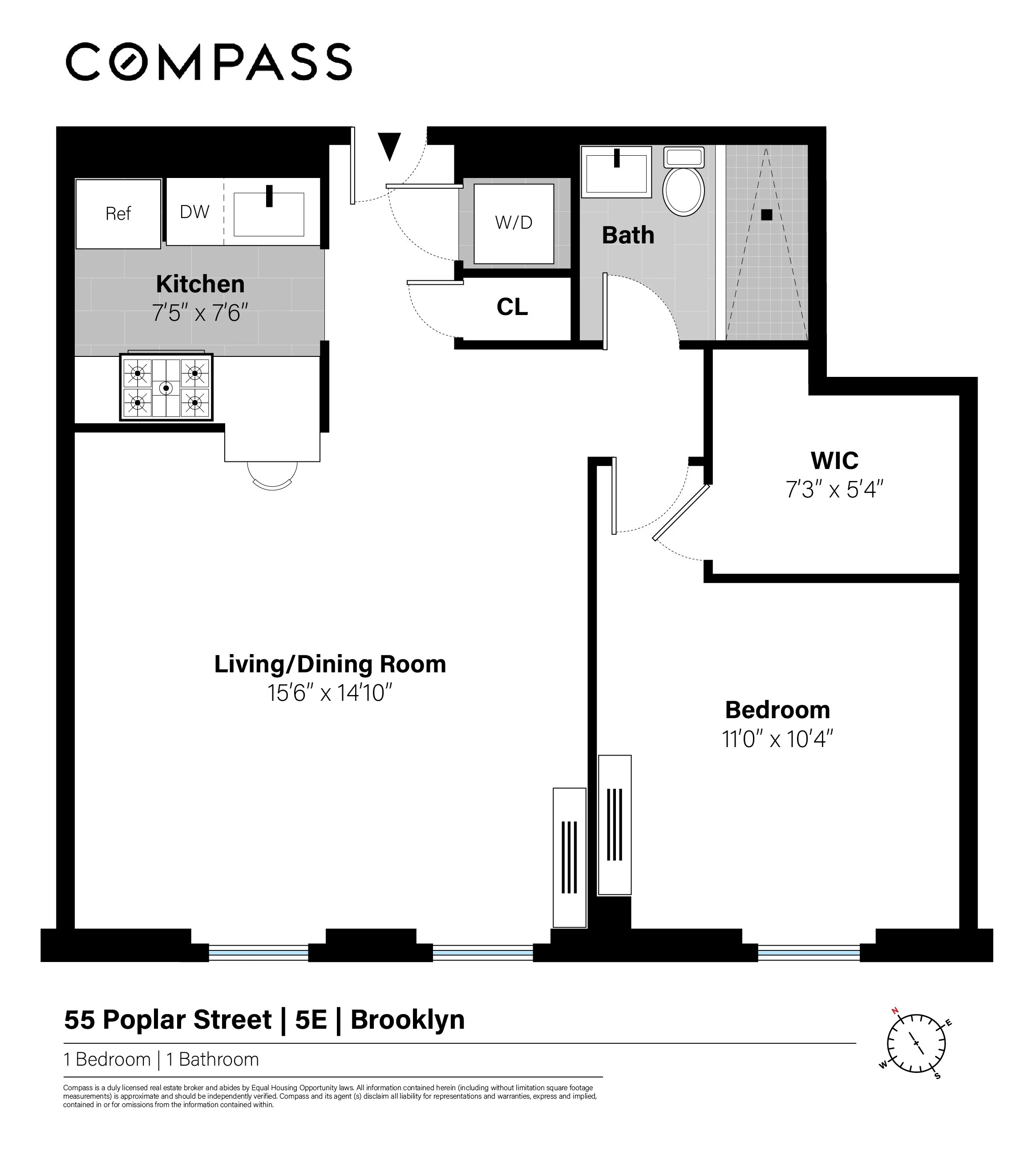
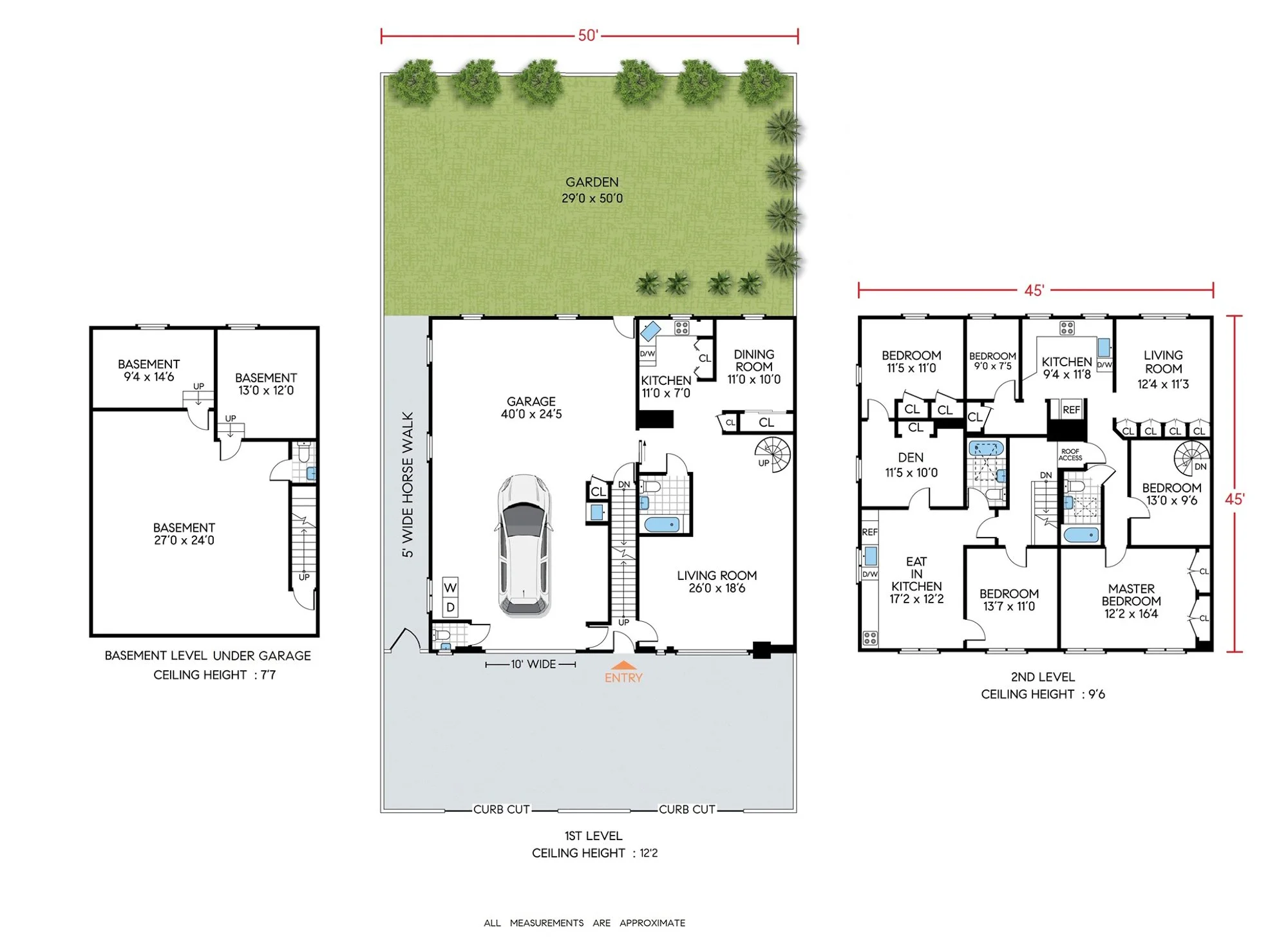
A floor plan is not a redundant asset. It closes the gap between individual photos of each room:
Buyers can see how rooms connect, where natural traffic flows, and how the unit functions as a whole
Buyers understand the actual scale and dimensions rooms and the unit as a whole
Remote buyers and relocators can pre-qualify whether the layout will work for their life before booking a visit
Buyers who understand the layout book showings with more confidence and cancel less often
For higher-priced NYC listings, floor plans are considered a standard inclusion on show sheets
Here's how the full listing package stacks up:

The floor plan doesn't replace photography or staging. It completes the full picture.
How Floor Plans, Virtual Staging, and Vacant Home Photography Work Better Together
If you've already read our blog post on vacant home photography and virtual staging, you know the case for combining both services. A floor plan strengthens that combination in a specific way.
Professional virtual staging uses the floor plan as its anchor. Every angle of a staged room reflects the same furniture in the same positions, because the stager knows exactly where each piece fits within the actual dimensions of the space. The reason a professionally staged listing looks coherent across every photo is because it’s based on floor plan accuracy.
When a buyer views a listing that includes both staged photography and a floor plan, the credibility of the staging increases. The floor plan confirms what the staging implies: that the furniture shown actually fits, that the layout shown is accurate, and that what they're seeing is a realistic representation of the space — not an aspirational one.
That confirmation matters. In NYC's market, buyers have become skeptical of listings that over-promise on photography. A floor plan is the signal that the listing is being presented with transparency, and transparency is what moves qualified buyers from browsing to booking.
When a Floor Plan Is Especially Worth It for an NYC Listing
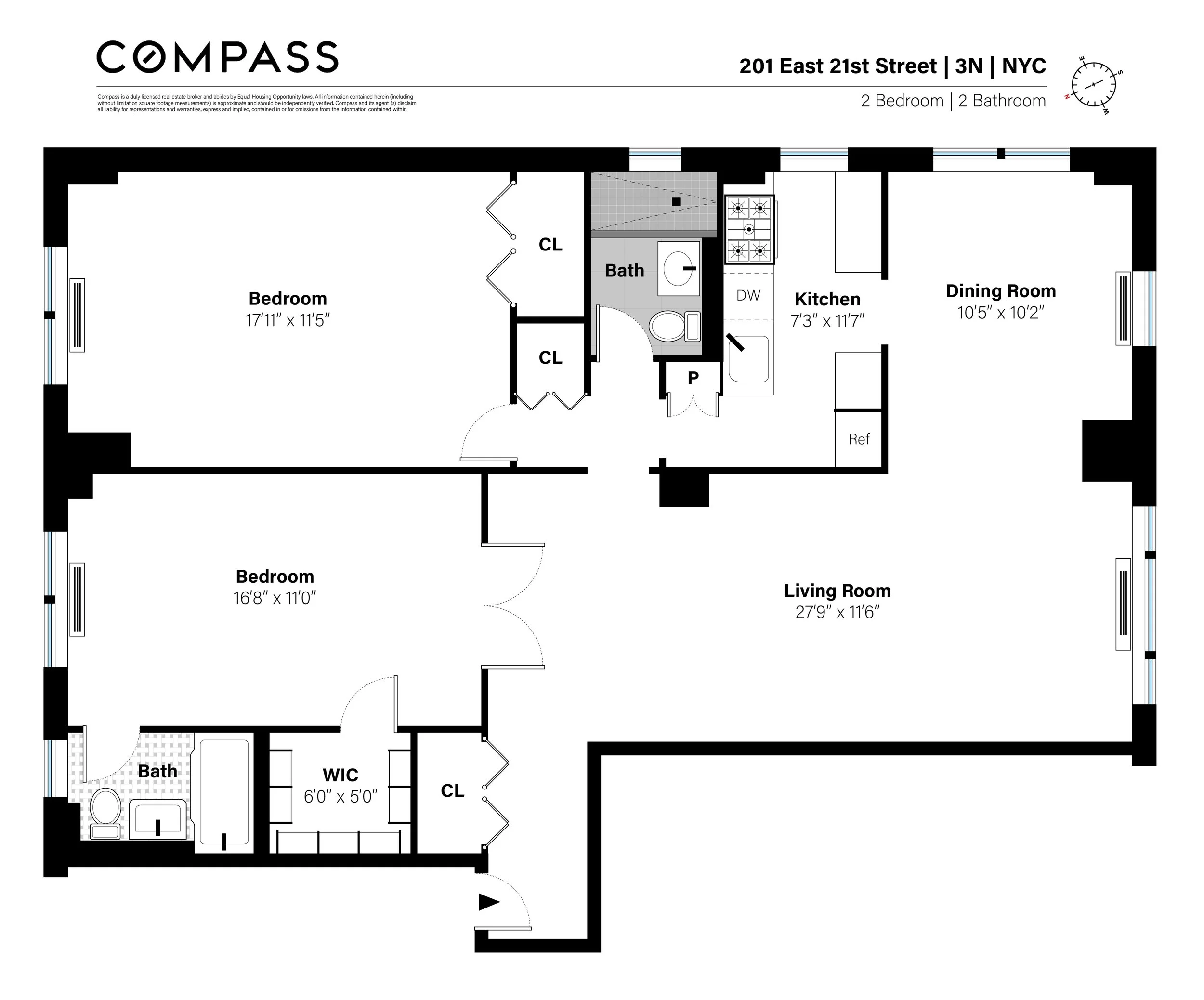
A floor plan adds value to most NYC listings, but the ROI is highest in specific situations:
Unusual like pre-war apartments or converted buildings where the layout isn't obvious from photos
Remote or out-of-state buyer pools - relocators making decisions from a distance rely more heavily on floor plans than local buyers who can revisit
Higher price point New York City apartment where buyers expect a complete marketing package
Vacant units
Listings that require a print show sheet include a floor plan as standard practice
Small apartments where scale is hard to comprehend from photos alone
GHNYC’s Approach to Listing Packages
GreeneHouse NYC has been photographing New York City listings for over 20 years. In that time, the way buyers evaluate properties has changed significantly. The standards for what a complete listing package looks like have shifted with it. Buyers of high-end listings expect accuracy and transparency through vacant photos, staged rooms, and detailed floor plans.
Melanie Greene, GHNYC's founder and principal photographer, approaches every real estate photo shoot with the full listing package in mind. When you come to us requesting photos of your listing, we’ll cover every base to make sure your listing performs its best.
Whether that means adding floor plans, virtual staging, or print quality imagery, our primary goal is to provide high-quality imagery that coordinates with your high-end listings. Floor plans, staging, and photography done at different times by different vendors can create inconsistencies that a discerning buyer will notice. We package these together so your listing looks unified.
GHNYC offers floor plan services as part of a complete listing package. View GHNYC's floor plan catalog at greenehousenyc.com/floorplan.
Frequently Asked Questions
Do I need a floor plan if I already have professional photos and virtual staging?
While not always necessary, a floor plan strengthens NYC listings. It provides layout context that answers questions about how photographed and staged rooms are connected. If a unit has an unusual layout, a remote buyer pool, or a higher price point, a floor plan provides clarity on the true dimensions of the space and closes that gap for interested buyers.
Can a floor plan be added to a listing after the photoshoot?
In most cases, yes. GHNYC can produce a floor plan based on provided photos, based on our discretion. To create accurate floor plans, dimensions and thorough photography must be provided to our team. Typically, photoshoots, virtual staging, and floor plans are captured together in a full real estate listing package from the start to ensure the best performance once the listing goes live.
What format does GHNYC deliver floor plans in?
GHNYC delivers floor plans in digital formats suitable for MLS listings, online marketing, and email. Print-ready files for show sheets are available as part of the full listing package. Contact GHNYC if you have questions about specific formats.
How is a floor plan different from what virtual staging already shows?
Virtual staging shows buyers what each room looks like when furnished. A floor plan is a top-down view showing the actual dimensions and layout of the unit. Both assets work together to give buyers context about the size, layout, and livability of a unit before they even tour it.
Ready to Put Together a Complete NYC Listing Package?
GreeneHouse NYC provides professional photography, virtual staging, and floor plan design for NYC real estate agents, brokers, and developers delivering complete listing packages for over 20 years.