
Vacant Home Photography vs Virtual Staging: Do You Need Both?
Most NYC agents understand that listing photos are important if you want to sell a unit. But not many realize there are several different ways to capture and represent the space on a listing. Between real estate photography, physical staging, virtual staging, angles, and more- it can get confusing. Unfortunately, that confusion can be detrimental to your listing results.
Vacant home photography and virtual staging are not the same service. They are not interchangeable, and one does not automatically replace the need for the other. Yet agents frequently treat them as an either/or decision, or assume that photographing an empty room alone is always enough to move a property through the market.
Here, we’re breaking down the distinction between vacant vs staged real estate photography in NYC, and clarifying when and how to use each service to boost your listing performance.
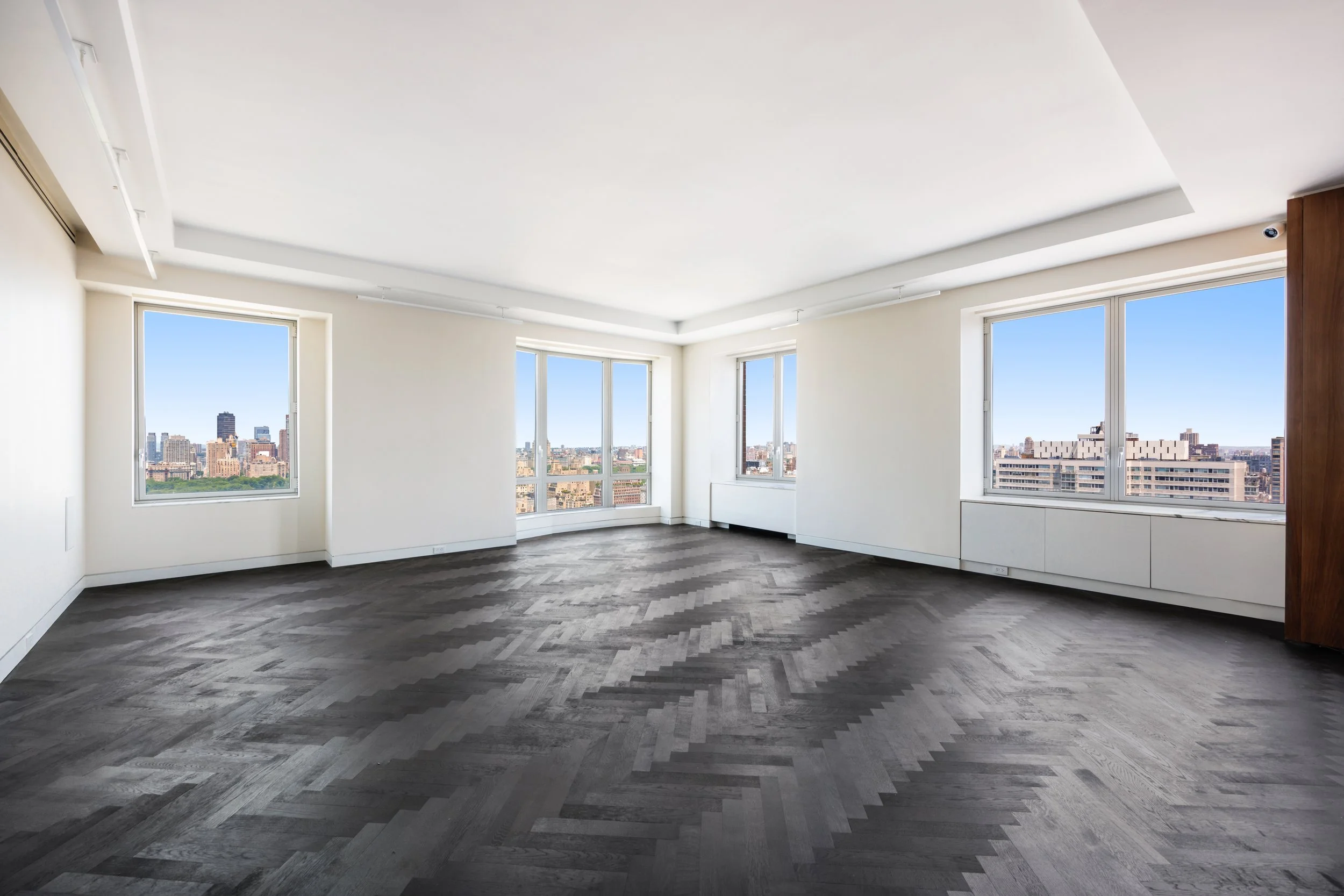
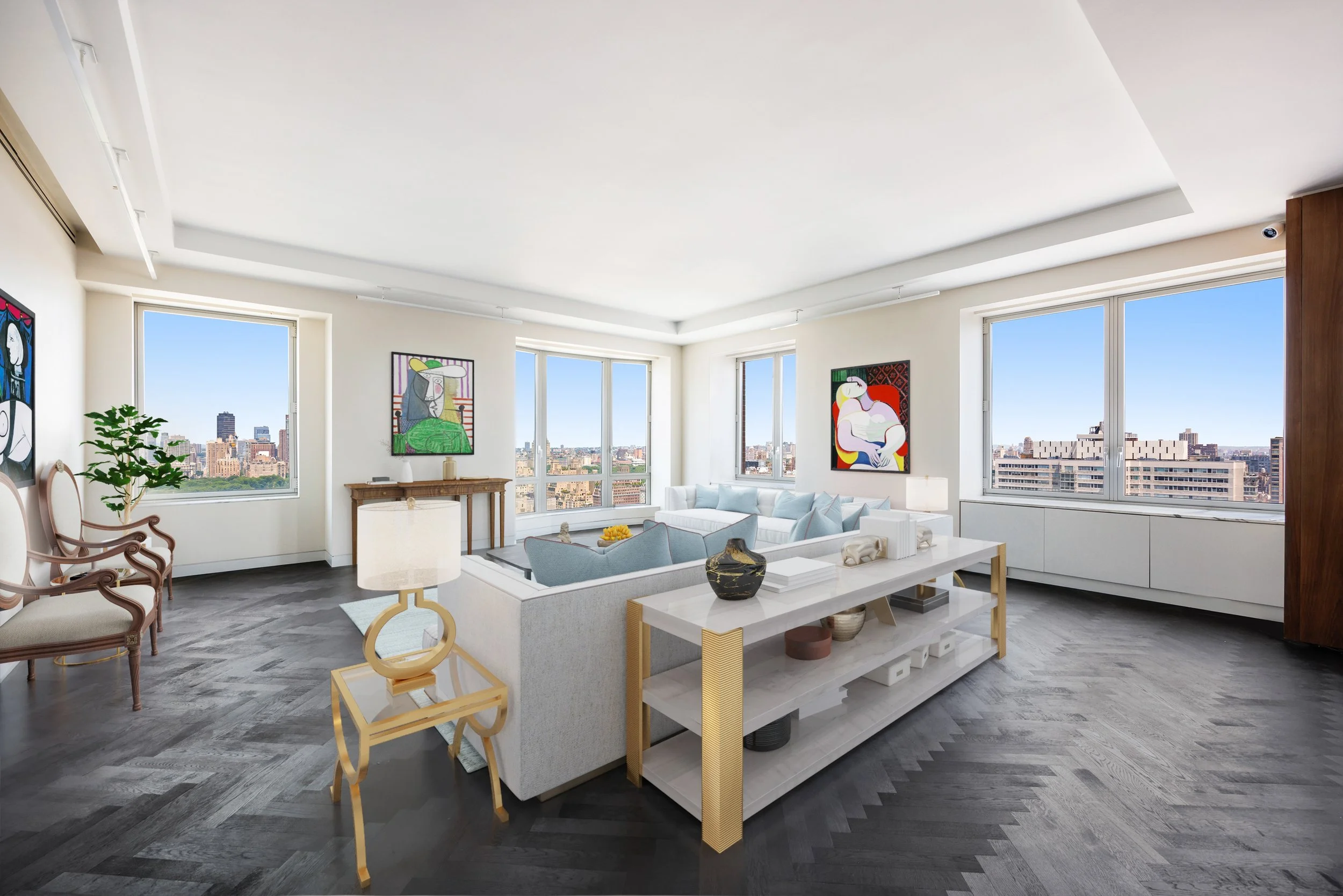
What Is Vacant Home Photography?
Vacant home photography is professionally photographs of a property with no furniture, no decor, and no sign of people living in it. The camera captures the space plainly. It highlights the architecture, appliances, and the floor plan without any additional visual context layered in.
This tends to be the easiest and fastest way to accurately represent a listing. In this photography style, you’re working with what the property actually offers. There’s no hiding its flaws.
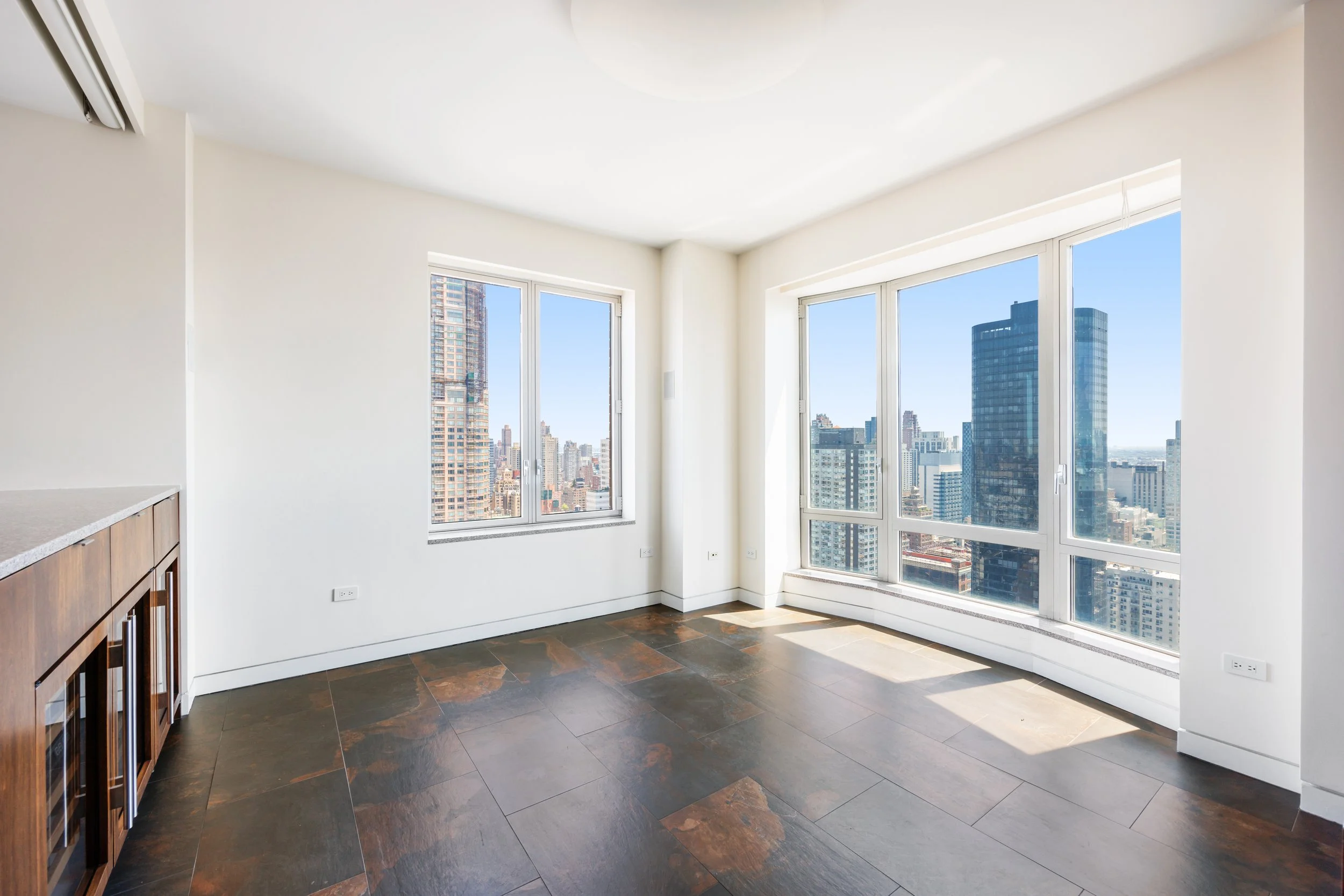
The benefits of photographing a vacant property:
Provides the most accurate visual representation of the property’s structure and layout
Defines a clean foundation that buyers can fill with their imagination when house hunting
Often looks brighter and larger in images, making the space more enticing for turnkey buyers
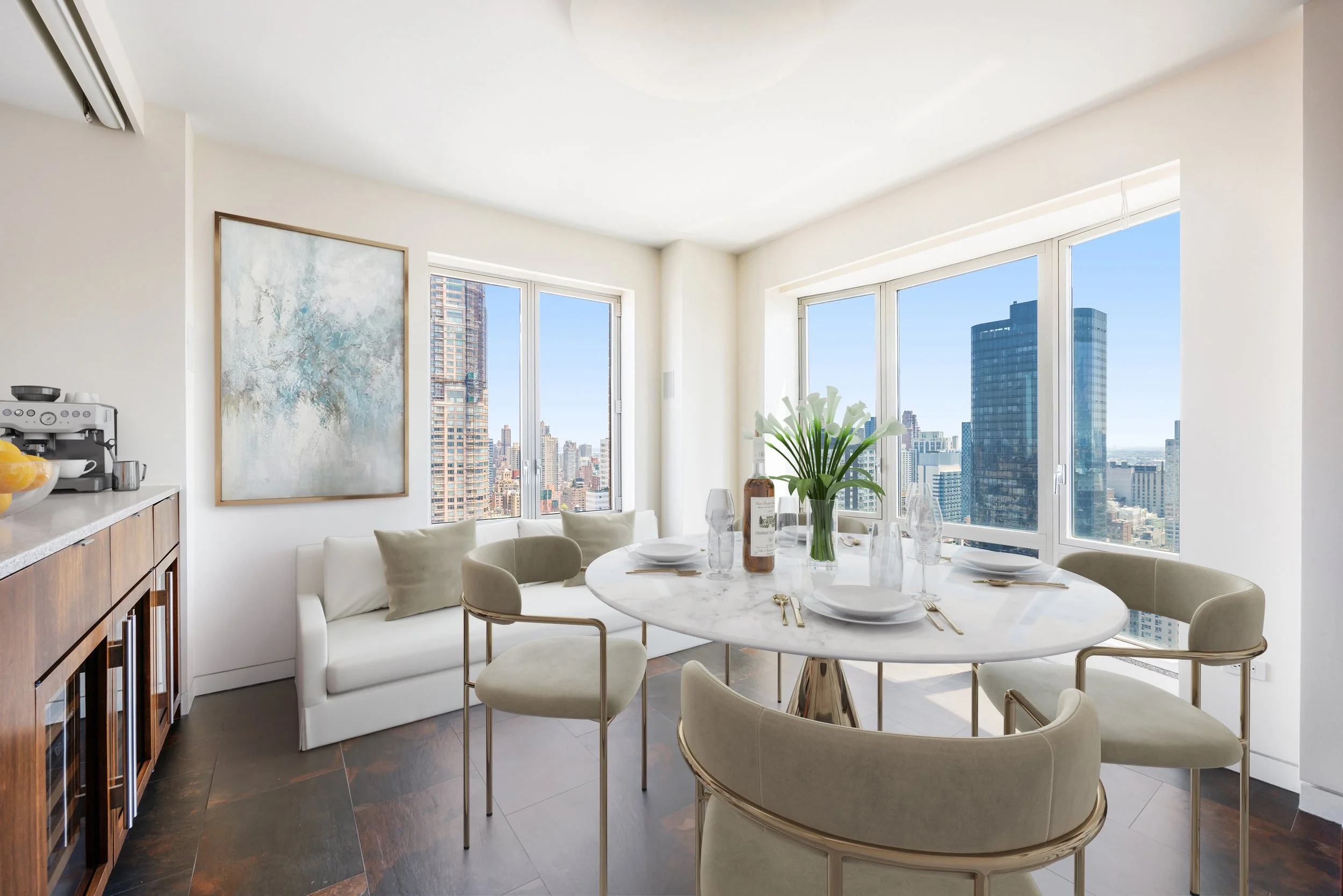
What vacant property photography can’t deliver:
Doesn’t represent the property’s character making the space feel cold/ sterile
Buyers struggle to visualize how they can live in the space
Gives a skewed perspective of how big or small the room is
Makes it difficult to visualize how furniture will fit in the room
What Is Virtual Staging?
Virtual staging is just like physical staging, but using digitally furnishing instead of physical furniture in a space. A photographer takes images of the empty space, then a staging team uses software to add furniture, lighting, textiles, and decor. The result is a fully styled interior without anything physically entering the unit.
For agents weighing their options, the comparison to physical staging matters. Traditional physical staging in New York City requires furniture rental, logistics coordination, scheduling, and fees that can climb into the thousands per month. Virtual staging accomplishes a similar visual goal at a fraction of the cost, with a turnaround measured in days rather than weeks.
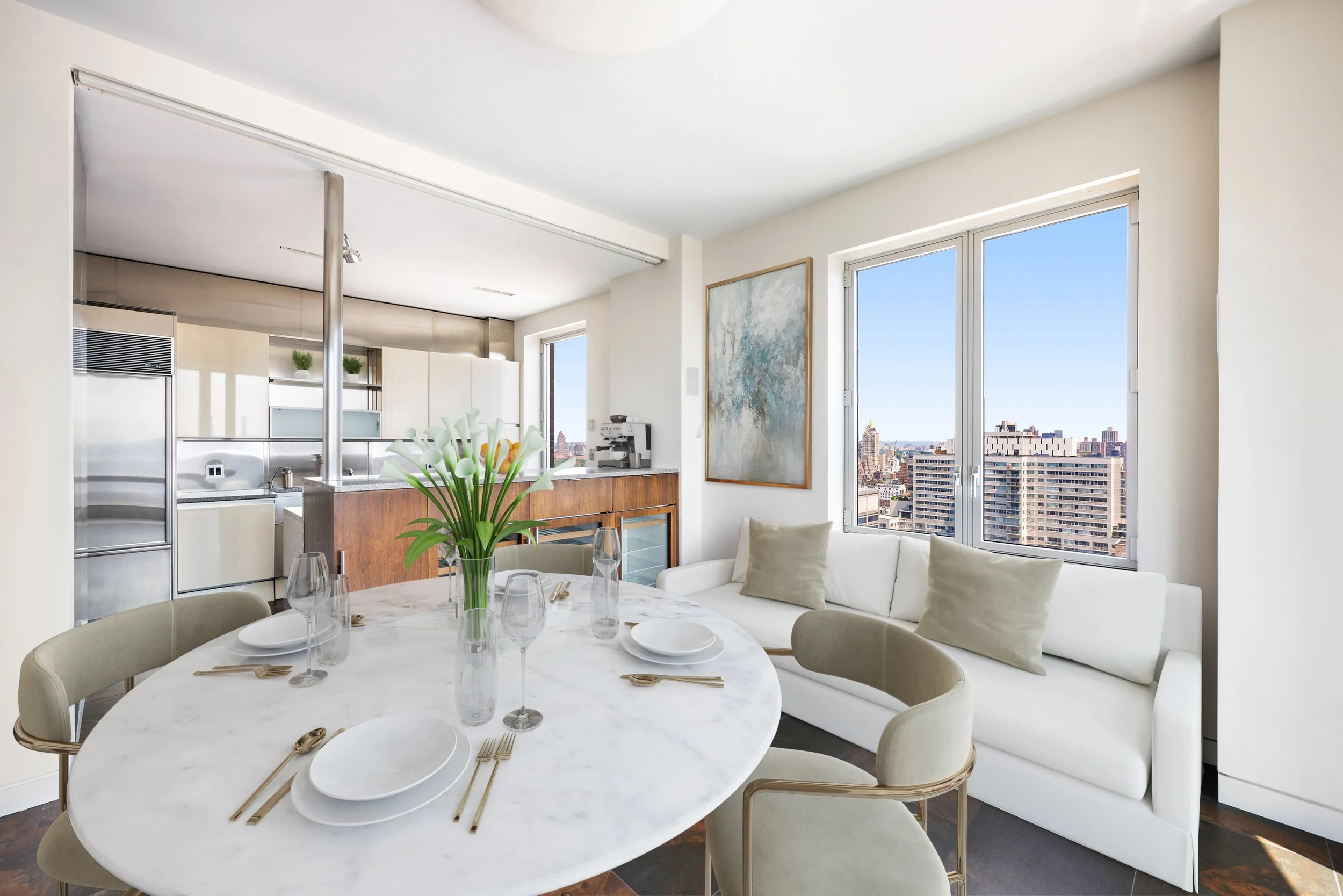
The benefits of virtual staging:
Gives vacant units an updated look without affecting the asking price
Costs significantly less time and money than physical staging
Gives buyers a sense of what it would look like to live in a space
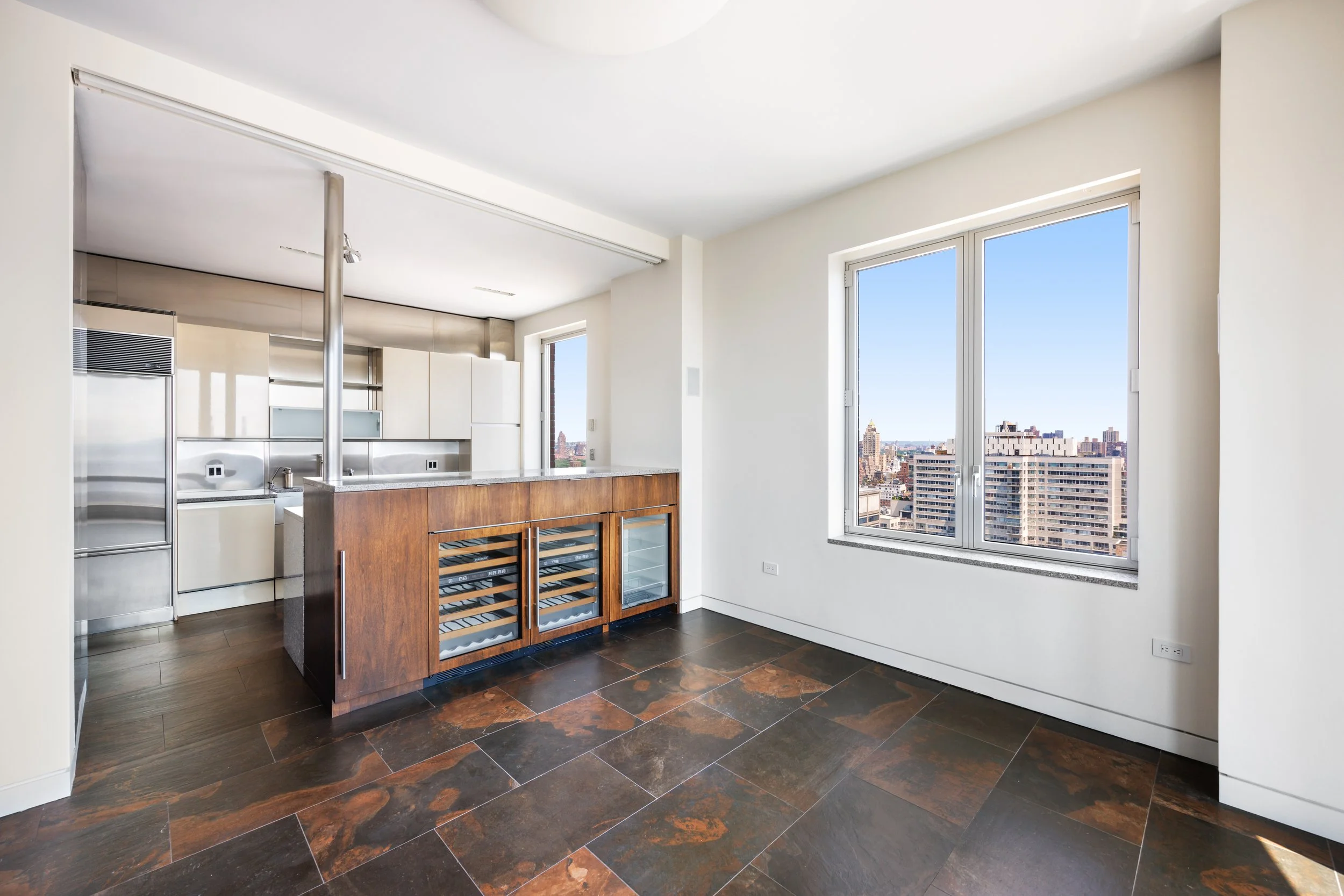
What virtual staging can’t deliver:
When a buyer tours the property, the furniture in the listing is not there in person for comparative reference
An inexperienced virtual stager may use furniture that inaccurately represent the scale of the room
For virtual staging to work well, you must start with high quality base images. The quality of the vacant room photos directly affect the staged output. Using an ultrawide camera angle distorts the proportions of the room and makes it difficult to add accurately proportioned furniture. A poorly lit room requires more secondary editing to fix, and may still result in a grainy photo. This is why photography and staging are typically used together to produce the best results.
Does Every Listing Need Staging?
The short answer is no. Empty property photos can perform fine on their own. While not necessary, virtual staging and vacant photos used together create a power dynamic that optimize listing performance for best results.
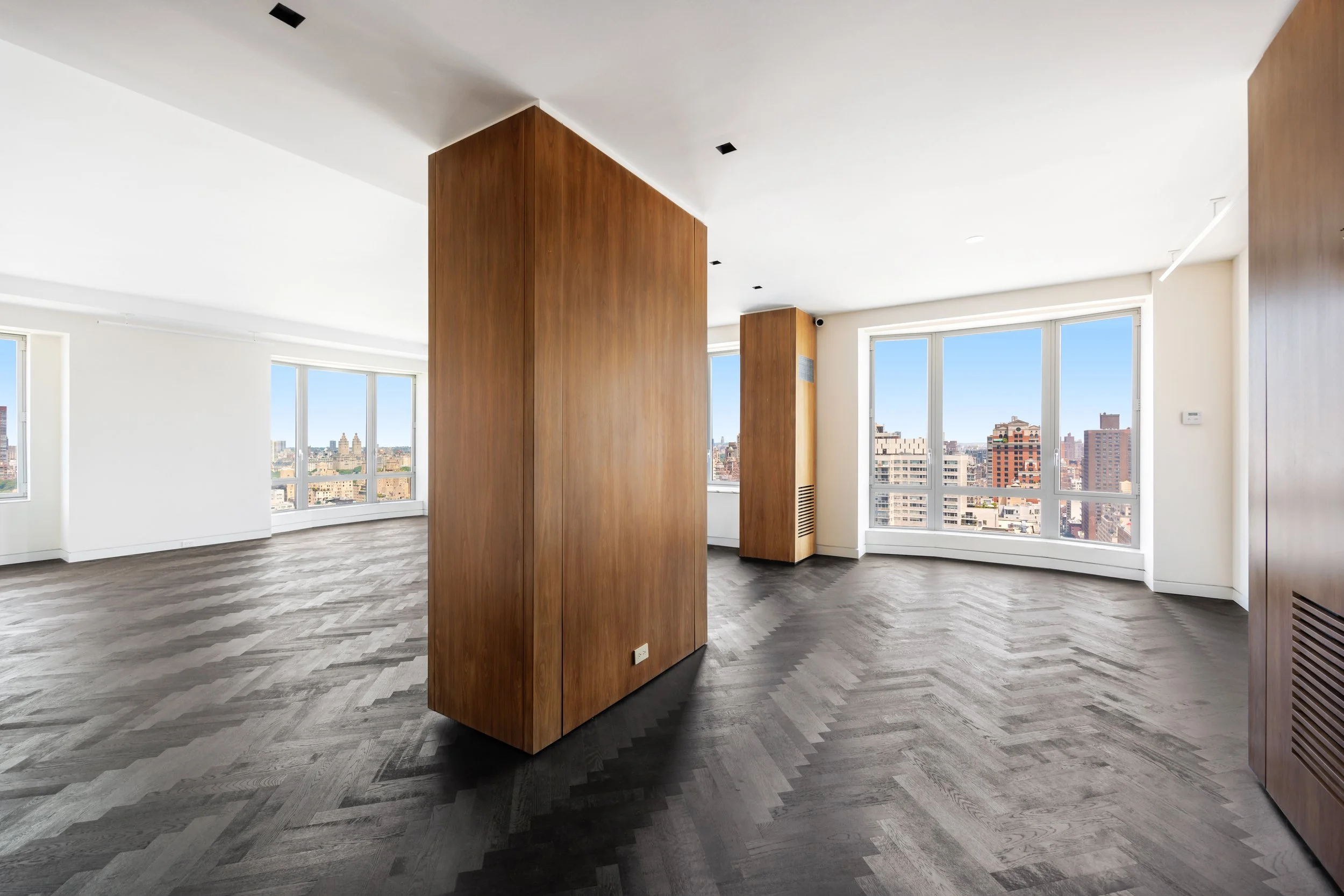
Here is are some listings where real estate photography alone works well:
If a unit is fully furnished with current, well-maintained pieces that reflect the buyer demographic
Model units
Occupied units with the seller’s existing decor
Budget properties where buyers expect to see the space alone
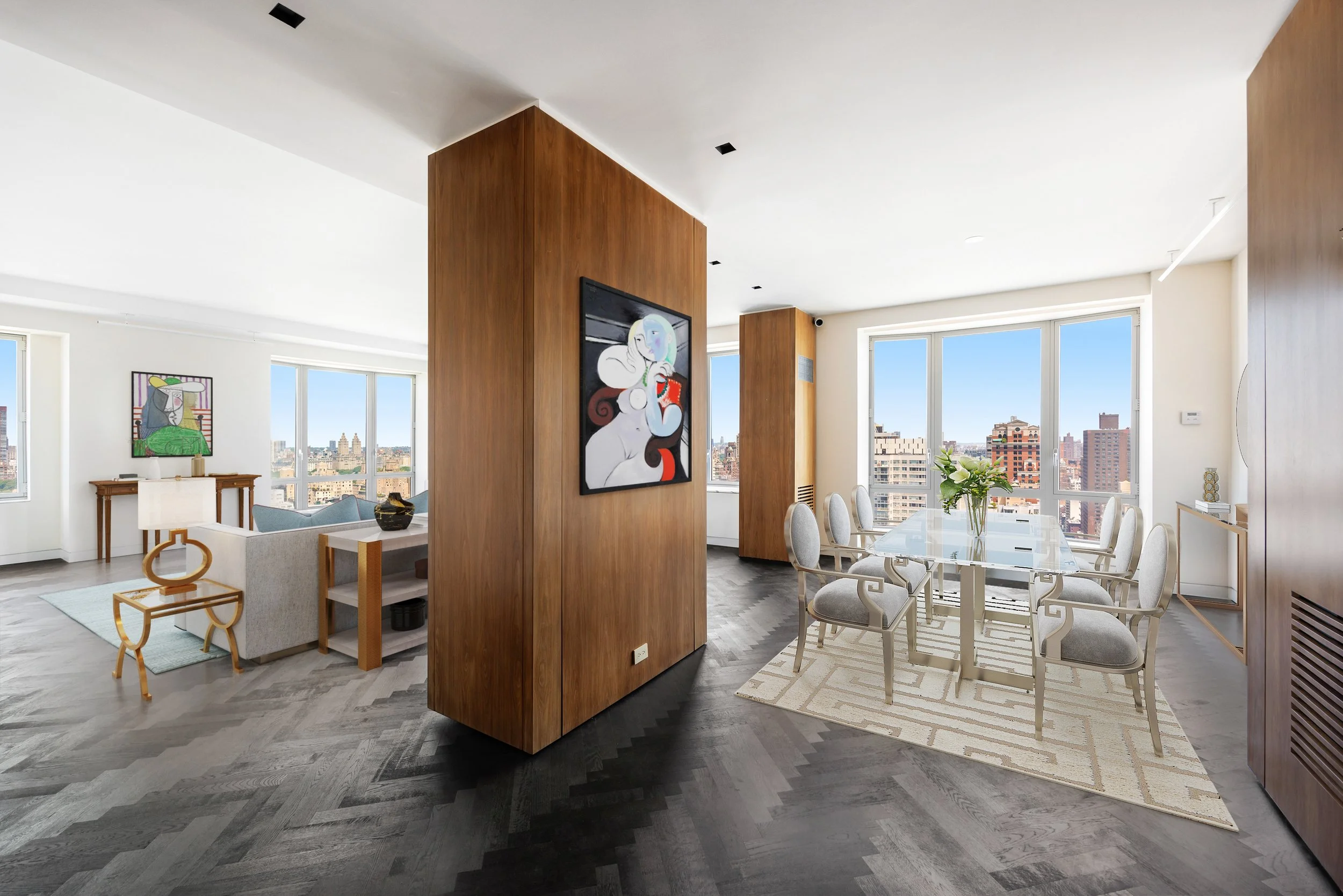
Vacant photography without staging tends to work well when:
The property has strong architectural features that speak for themselves
The listing is in a neighborhood or price range where buyers are purchasing for location and gut-renovating regardless
The agent or developer plans to use floor plans alongside photos to communicate the layout
The timeline is tight and staging turnaround isn’t feasible before the listing goes live
How Virtual Staging Makes a Difference
Agents who have tested both photography and staging approaches in NYC’s market consistently report the same finding: staged listings generate stronger initial interest, more qualified showings, and faster movement through the pipeline. Buyers in New York make decisions based on listing photos before they ever book a tour. A vacant unit asks buyers to imagine the space, while a staged unit shows them what it looks like to live in it. The real benefit comes from pairing these styles of images together so buyers can see a realistic representation while still validating the actual layout of the space. That is the perfect combination virtual staging can provide.
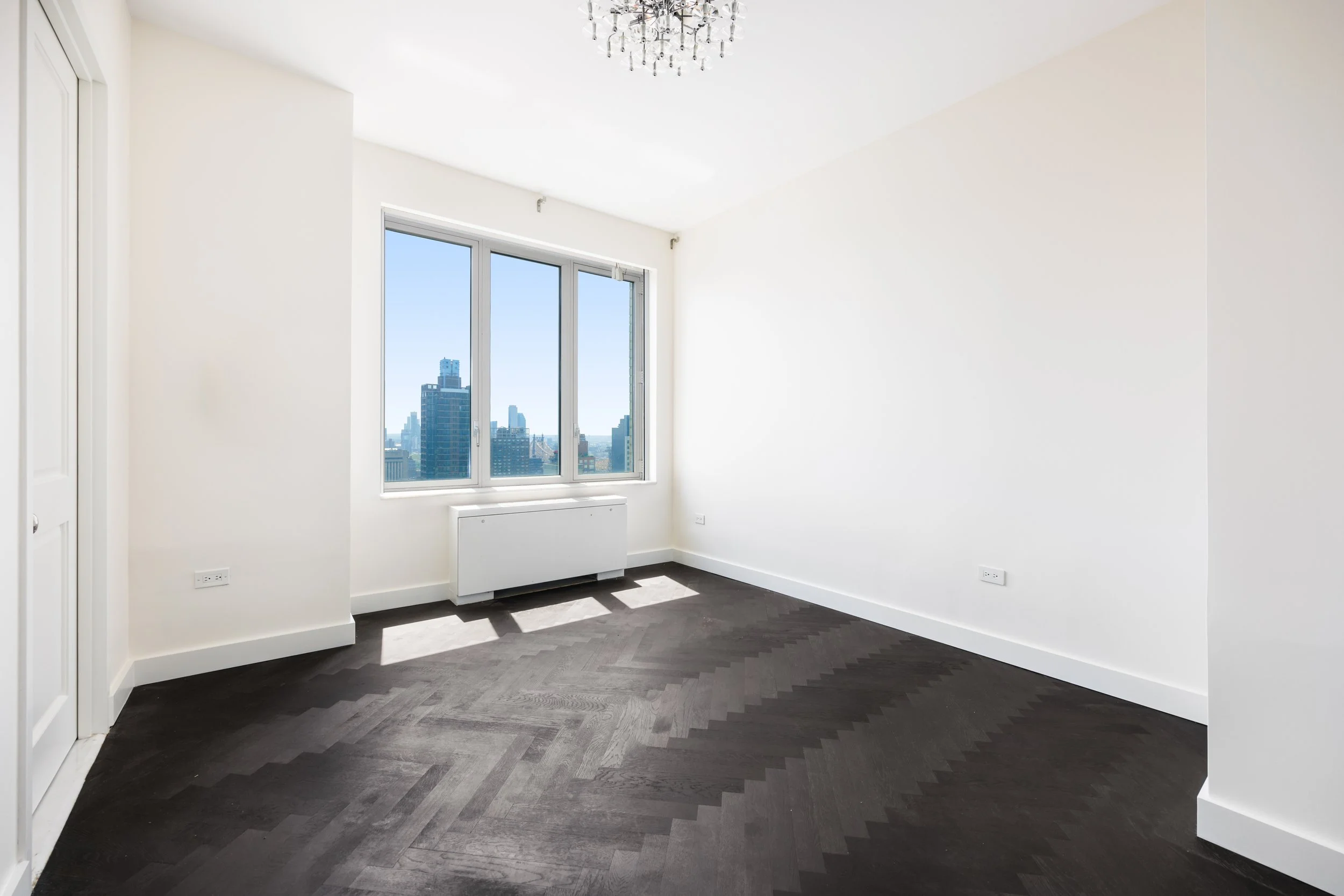

When done correctly, staging showcases the potential of the property. That’s exactly what marketing is supposed to do. Virtual staging is particularly effective in NYC’s market:
Small apartments where every inch matters and buyers want to see a realistic sense of scale
Loft apartments where buyers need help filling the empty look
Listings being swapped from rental inventory to sale, where the visual identity needs a reset
Multi-unit buildings where consistency across every unit needs to reinforce the development’s brand
The return on investment (ROI) in virtual staging is huge. A listing that moves faster and generates stronger offers because of how it was presented pays for the staging cost many times over. For developers preparing five, ten, or twenty units simultaneously, the math gets clear.
The images you leave with are ready to use across every channel the moment they’re delivered.
How NYC Agents Leverage Both
The agents who consistently get the best results from their listings don’t treat photography and staging as competing line items. They treat them as a single, coordinated process because both go hand-in-hand.
Vacant home photography sets the foundation of the space. Virtual staging builds on it. When both are planned and executed together, the photography is captured specifically with staging in mind:
Specific camera angles are chosen for clean staging,
Lighting is set to support the digital furnishing process
Structural features are strategically captured for the staging team to work around
The result is a set of listing images that represent the real space accurately and its potential for someone who will live in it.
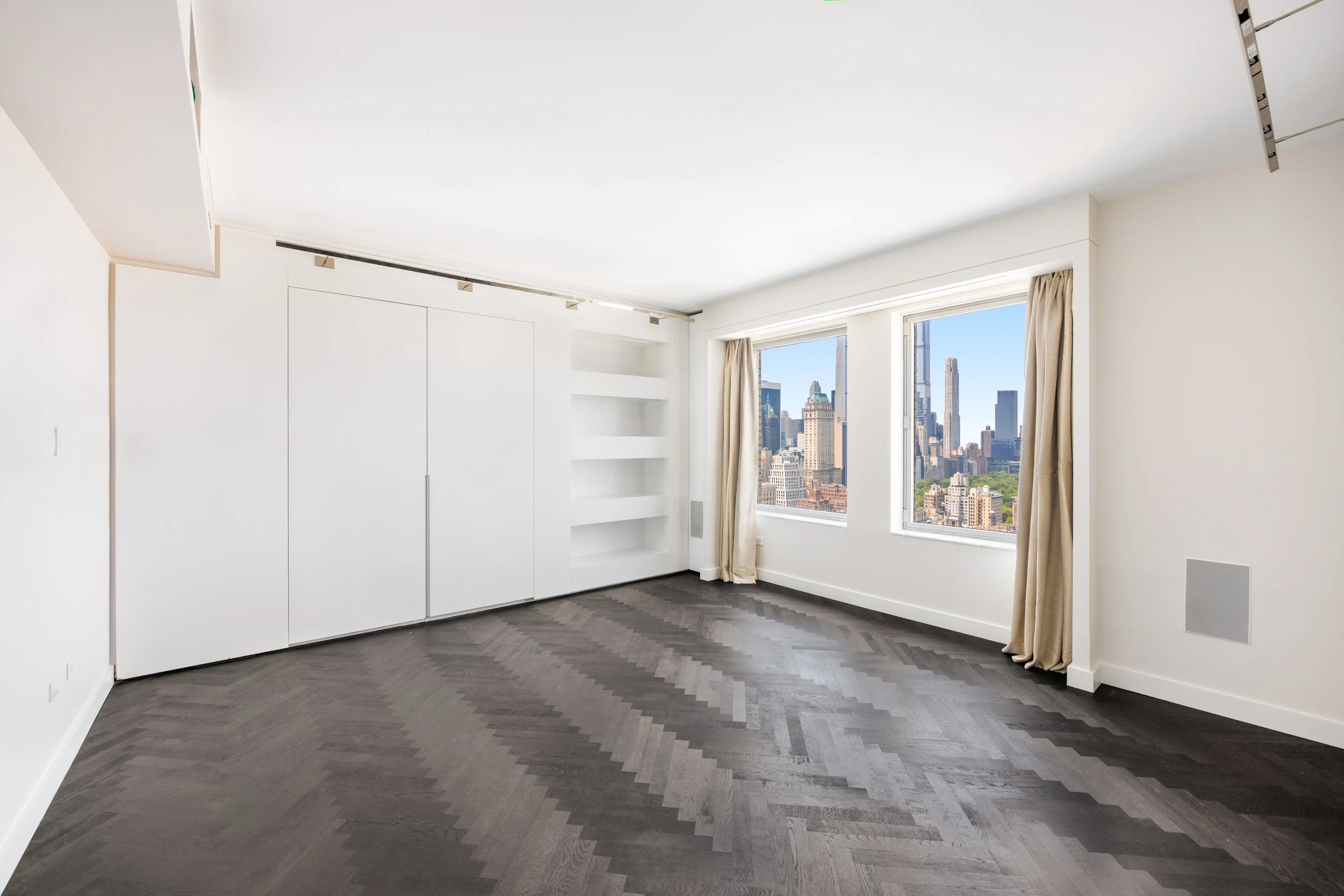

This is the approach GreeneHouse NYC has brought to listings in New York City’s real estate market for over 15 years. Melanie Greene founded GHNYC in 2010 with a belief that real estate photography should do more than document a space. It should sell it.
Virtual staging is a natural extension of that philosophy. A studio that offers both services under one roof removes the inconsistency that comes from coordinating between two separate vendors. With GHNYC, your photography and staging share the same quality standard without redundancies.
See how a space with vacant and staged photography outperform those that do only one or the other by looking at GHNYC’s before and after gallery.
Frequently Asked Questions
Do I need virtual staging if my listing is already furnished?
Not necessarily. If the existing furniture is current, well-maintained, and reflects the buyer demographic, simple photography is often sufficient. Virtual staging adds the most value to vacant units, properties with dated interiors, or properties where the physical condition doesn’t match the asking price.
Is virtual staging worth it for NYC listings?
For most listings in New York City, yes. Buyers make assumptions about the size and scale of properties online before scheduling tours. Empty rooms rarely communicate the size accurately, which can mislead buyers. Staged images give them the context they need to move from browsing to booking to closing. The cost is typically recovered in faster sales and stronger offers.
How does virtual staging compare to physical staging in NYC?
Physical staging involves furniture rental, delivery, installation, and monthly fees that can reach several thousand dollars. Virtual staging works from your existing photos and is priced per room or per image, with turnaround in days. For vacant listings, multi-unit buildings, or any situation where physical staging isn’t logistically feasible, virtual staging is the more practical option.
Can virtual staging be added to photos I already have?
It depends on the quality of the base images. Virtual staging works from the photography, so poorly lit, distorted, or low-resolution photos will limit the quality of the output. For best results, photography and staging should be planned together. If you already have well-composed photos of an empty space, consult with a virtual staging expert about using them.
When should you combine vacant photography and virtual staging?
The combination is most effective for vacant units, new development listings, properties being repositioned for a new buyer demographic, and any listing where the empty space doesn’t clearly communicate its value at asking price. In the NYC market, where buyers decide based on listing images alone, showing both the real space and its staged potential gives your listing its strongest first impression.
See It in Action
The best way to understand what virtual staging can do for a listing is to see it. GreeneHouse NYC’s before and after gallery shows exactly how vacant spaces are transformed through professional staging. If you’re preparing a listing and aren’t sure whether staging is the right move, start the conversation with GHNYC’s virtual staging team.